Embarking on a journey through Minimalist Interior Approaches for High-Productivity Offices, we explore the fusion of sleek design and optimal functionality in modern workspaces. From decluttering strategies to the influence of natural light, this discussion delves into the symbiotic relationship between minimalist aesthetics and workplace productivity.
Delve deeper into the realm of minimalist interior design principles and their transformative effects on office environments.
Minimalist Interior Design Principles
Minimalist interior design revolves around the concept of simplicity, focusing on clean lines, open spaces, and a limited color palette. By reducing clutter and unnecessary elements, minimalist design creates a calm and organized environment that promotes productivity and focus.
Simplicity and Functionality
- Minimalist design emphasizes simplicity, with a focus on the essential elements that serve a purpose in the space.
- Furniture and decor are often sleek and streamlined, contributing to a clutter-free environment that allows for easy movement and clear sightlines.
- Functionality is key in minimalist design, ensuring that every item in the office serves a practical purpose while maintaining a cohesive aesthetic.
Neutral Color Palette
- Neutral colors such as white, beige, grey, and black are commonly used in minimalist design to create a sense of calm and sophistication.
- These colors can help reduce visual distractions in the office, allowing employees to focus on their work without being overwhelmed by bright or busy patterns.
- Accent colors can be incorporated sparingly to add interest and personality to the space without disrupting the overall minimalist aesthetic.
Natural Light and Open Spaces
- Maximizing natural light and incorporating large windows can enhance the minimalist design by creating a sense of openness and airiness in the office.
- Open spaces help promote a sense of freedom and creativity, allowing employees to move freely and collaborate more effectively.
- Minimalist design often includes simple and functional storage solutions to keep the space organized and clutter-free, further enhancing productivity.
Impact on Productivity
- Minimalist design in office spaces has been shown to reduce stress and anxiety levels among employees, creating a more relaxed and focused work environment.
- By minimizing distractions and visual clutter, employees can concentrate better on their tasks and achieve higher levels of productivity.
- The clean and organized aesthetic of minimalist design can also boost employee morale and satisfaction, leading to increased motivation and creativity in the workplace.
Functional Layout and Organization
When it comes to optimizing office layout for productivity using minimalist approaches, it's crucial to focus on decluttering and organizing the space effectively. By incorporating minimalist design principles, you can create a clean and efficient environment that promotes focus and creativity.
Optimizing Office Layout
- Utilize multi-functional furniture pieces to maximize space and minimize clutter.
- Create designated zones for different tasks to ensure a smooth workflow.
- Keep essential items within arm's reach to reduce distractions and save time.
Decluttering and Organizing
- Implement a paperless system to reduce physical clutter and increase organization.
- Use storage solutions like shelves and cabinets to keep supplies neatly tucked away.
- Regularly purge unnecessary items to maintain a clean and streamlined workspace.
Comparing Traditional vs. Minimalist Layouts
- Traditional layouts often feature bulky furniture and excessive decor, leading to a crowded and chaotic environment.
- Minimalist layouts prioritize simplicity and functionality, creating a more open and efficient workspace.
- Minimalist layouts tend to promote better focus and productivity by reducing visual distractions.
Neutral Color Schemes and Natural Light
When it comes to minimalist office design, neutral color schemes play a crucial role in creating a clean and calming environment. These colors, such as whites, grays, and beiges, help to reduce visual clutter and promote focus and productivity among employees.
Natural light is another key element in a minimalist office setting as it not only saves energy but also has a positive impact on employee well-being and performance. Maximizing natural light can help reduce eye strain, boost mood, and enhance overall productivity.
Incorporating Natural Elements
- Place workstations near windows to maximize natural light exposure for employees.
- Use light-colored furniture and reflective surfaces to bounce natural light around the office space.
- Incorporate indoor plants or greenery to bring a sense of nature indoors, which can help reduce stress and improve air quality.
- Consider integrating wooden elements or textures to add warmth and a natural feel to the workspace.
Multi-Functional Furniture and Simple Decor
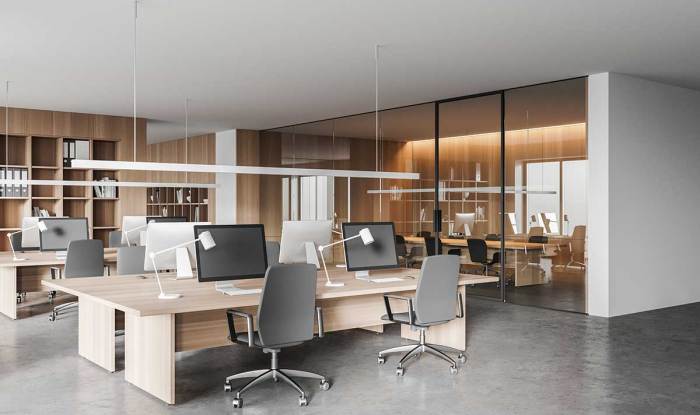
When it comes to creating a minimalist office space that promotes productivity, incorporating multi-functional furniture and keeping decor simple can make a significant difference. Not only does this approach help in maximizing space utilization but also contributes to a clean and organized work environment.
Multi-Functional Furniture Examples
Utilizing furniture pieces that serve more than one purpose is key in a minimalist office setting. Examples include desks with built-in storage compartments, folding tables that can be easily tucked away when not in use, and modular shelving units that can adapt to changing needs.
These pieces not only help in decluttering the space but also enhance functionality.
Impact of Simple Decor
Opting for simple decor choices such as minimal artwork, potted plants, and a few carefully selected decorative items can create a calming and focused atmosphere. By keeping decor minimal, the space remains uncluttered and allows for better concentration and productivity.
Neutral color palettes and natural materials can further enhance the overall aesthetic without overwhelming the senses.
Designing a Minimalist Office Space
To design a minimalist office space using versatile furniture pieces and minimal decor items, consider a layout that promotes efficient workflow. Start by selecting furniture that can serve multiple functions and complement the overall design theme. Integrate storage solutions to keep essentials organized and out of sight.
Choose decor elements that add a touch of personality without overpowering the space. By combining multi-functional furniture with simple decor, you can create a workspace that is both functional and visually pleasing.
Closure
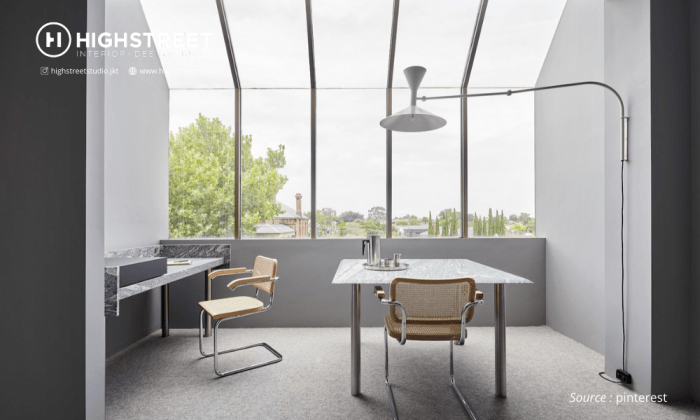
In conclusion, the synergy between minimalist interior approaches and high-productivity offices unveils a harmonious blend of form and function. By embracing simplicity and purposeful design elements, organizations can cultivate workspaces that inspire creativity and efficiency.
Frequently Asked Questions
What are some key principles of minimalist interior design?
Key principles include simplicity, minimalism, and functionality, focusing on clean lines, open spaces, and a clutter-free environment.
How does natural light impact productivity in a minimalist office setting?
Natural light helps create a sense of openness and vitality, enhancing mood and focus among employees, ultimately boosting productivity levels.
What are some examples of multi-functional furniture suitable for minimalist office environments?
Examples include desks with built-in storage, modular seating arrangements, and convertible workstations that maximize space efficiency while maintaining a minimalist aesthetic.