
As Interior Color Psychology: Designing for Mood & Mind takes center stage, this opening passage beckons readers into a world crafted with good knowledge, ensuring a reading experience that is both absorbing and distinctly original.
Exploring the impact of interior colors on mood and how they can influence our state of mind is a fascinating journey filled with insights and creative possibilities.
The Impact of Interior Colors on Mood
When it comes to interior design, the colors you choose can have a significant impact on the mood and atmosphere of a space. Different colors have the power to evoke specific emotions and can influence one's state of mind.
Colors and Emotions
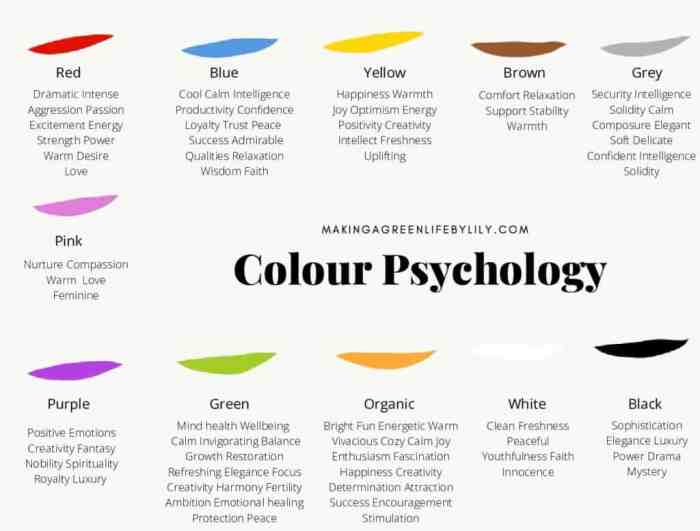
Colors are known to have psychological effects on individuals, impacting their emotions and behavior. Here are some examples of colors commonly associated with certain moods:
- Blue:Often linked to feelings of calmness, relaxation, and tranquility. It can help reduce stress and promote a sense of peace.
- Red:Known for evoking strong emotions like passion, energy, and excitement. It can also stimulate appetite and increase heart rate.
- Yellow:Associated with happiness, positivity, and energy. It can uplift spirits and create a sense of warmth and cheerfulness.
- Green:Symbolizes nature, growth, and harmony. It can bring a sense of balance and renewal to a space.
- Purple:Often linked to luxury, creativity, and spirituality. It can evoke a sense of sophistication and creativity.
- Orange:Known for its energy and vibrancy. It can create a sense of excitement and enthusiasm in a room.
Choosing Colors for Different Rooms
When it comes to selecting colors for different rooms in your home, it's essential to consider the function of each space. The color of a room can greatly impact the mood and atmosphere, so choosing the right colors is crucial for creating the desired ambiance.When choosing colors for bedrooms, it's important to opt for calming and soothing shades that promote relaxation and restful sleep.
Soft blues, greens, and lavender are excellent choices for creating a serene environment conducive to winding down at the end of the day.On the other hand, when selecting colors for workspaces or home offices, it's best to go for energizing hues that foster creativity, focus, and productivity.
Bright and bold colors like red, yellow, and orange can stimulate the mind and help boost energy levels, making them ideal for work environments.Natural light plays a significant role in how colors are perceived in a room. Rooms with ample natural light tend to bring out the true colors of the walls and furnishings, while spaces with limited natural light may appear darker and more subdued.
It's essential to take into account the amount of natural light a room receives when choosing colors to ensure the desired effect is achieved.
Color Harmonies and Combinations
Color harmonies in interior design refer to the way colors interact with each other to create a visually pleasing and balanced space. Understanding different color schemes can help designers in creating harmonious environments that evoke specific moods and emotions.
Complementary Color Scheme
In a complementary color scheme, colors that are opposite each other on the color wheel are used together. For example, pairing blue with orange or purple with yellow creates a dynamic and vibrant contrast in a room.
Analogous Color Scheme
Analogous colors are those that are next to each other on the color wheel. Using colors like green, yellow-green, and yellow in a room creates a sense of harmony and cohesion, making the space feel unified and calming.
Triadic Color Scheme
Triadic color schemes involve using three colors that are evenly spaced around the color wheel
Successful Color Combinations in Interior Design
- Soft pastel hues like blush pink, soft blue, and mint green create a serene and calming atmosphere in bedrooms.
- Navy blue paired with crisp white and gold accents in living rooms exude elegance and sophistication.
- Earthy tones like terracotta, olive green, and mustard yellow bring warmth and coziness to a living space.
Role of Color Psychology in Creating Harmonious Spaces
Color psychology plays a crucial role in designing harmonious spaces by understanding how different colors can affect mood and emotions. By choosing the right color combinations based on psychological principles, designers can create environments that promote relaxation, productivity, or creativity, depending on the desired outcome.
Using Neutrals and Accents
Neutral colors play a crucial role in interior design as they provide a versatile base that allows for other elements in the room to stand out. They create a sense of balance, calmness, and sophistication, making them a popular choice for walls, floors, and larger furniture pieces.When incorporating colorful accents into a space, it's essential to choose colors that complement the neutrals already in place.
This can be achieved through throw pillows, rugs, artwork, or smaller decor items. These pops of color can add personality, energy, and visual interest to the room without overwhelming the overall design.The key to a cohesive design lies in finding the right balance between neutrals and accent colors.
Too many accents can create a chaotic and busy look, while too few can make the space feel dull and uninspiring. By strategically placing colorful accents throughout the room, you can create a harmonious and visually pleasing environment that reflects your personal style.
Creating a Mood Board
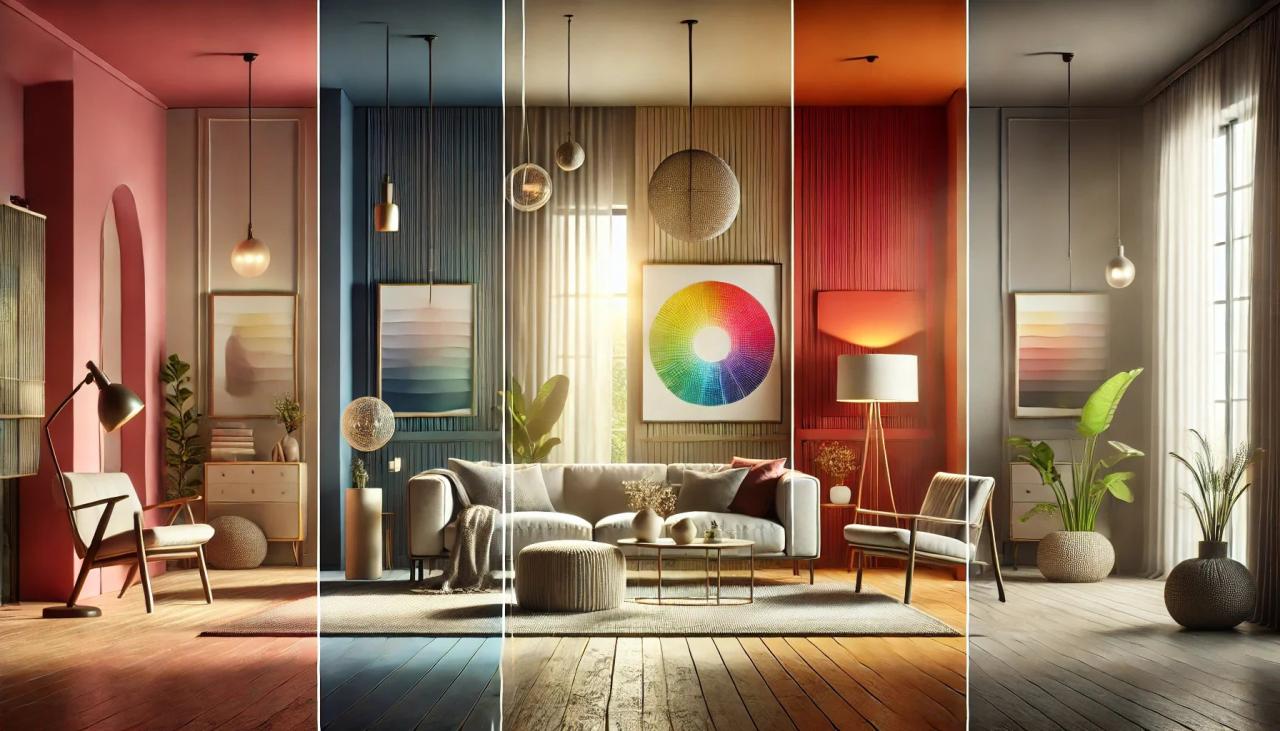
Creating a mood board is an essential step in the interior design process as it helps designers visualize and communicate the desired mood or atmosphere for a space. By compiling images, colors, textures, and patterns on a single board, designers can establish a cohesive vision for the project.
Steps to Create a Mood Board
- Gather Inspiration: Start by collecting images, swatches, and materials that resonate with the desired mood or theme.
- Select a Color Palette: Choose a primary color scheme that reflects the emotions and ambiance you want to convey.
- Add Texture and Patterns: Incorporate different textures and patterns to create depth and visual interest on the board.
- Arrange Elements: Organize the elements on the board in a way that tells a story and captures the essence of the design concept.
- Finalize the Layout: Once all elements are in place, step back and assess the overall look of the mood board to ensure cohesiveness.
Using a Mood Board for Experimentation
A mood board serves as a valuable tool for experimenting with different color palettes and textures before implementing them in a space. Designers can mix and match various elements on the board to see how they interact and whether they achieve the intended mood.
This allows for flexibility and creativity in the design process, ensuring that the final result aligns with the initial vision.
Epilogue
In conclusion, Interior Color Psychology: Designing for Mood & Mind delves into the intricate relationship between colors and emotions, offering a fresh perspective on creating harmonious spaces that resonate with individuals on a deeper level.
FAQ Resource
How do different colors affect our mood?
Colors can evoke specific emotions; for example, blue is often associated with calmness and productivity.
What are some tips for choosing colors for different rooms?
Choose calming colors like soft blues for bedrooms and energizing colors like yellows for workspaces.
What is the role of neutral colors in interior design?
Neutral colors serve as a base and can be complemented with colorful accents to add personality to a space.