Embark on a journey towards improved well-being with Data-Driven Lifestyle Decisions for Personal Health Goals. Discover how data can revolutionize the way we make choices and achieve our health objectives.
Explore the impact of wearable technology, nutritional choices, physical activity monitoring, and setting realistic health goals based on data analysis.
Importance of Data in Making Health Decisions
Data plays a crucial role in guiding individuals to make informed decisions about their health and well-being. By analyzing and interpreting data, individuals can gain valuable insights into their current health status and make necessary lifestyle changes to improve their overall well-being.
Examples of Data Sources for Health-Related Decisions
- Medical records: Information from doctor visits, lab tests, and medical procedures can provide valuable data on an individual's health history and current conditions.
- Wearable devices: Fitness trackers and smartwatches can track metrics like heart rate, steps taken, and sleep patterns, offering real-time data on physical activity and sleep quality.
- Nutrition apps: Apps that log food intake and provide nutritional information can help individuals track their diet and make healthier food choices.
Benefits of Using Data to Guide Lifestyle Changes
- Personalized insights: Data analysis can help individuals understand their unique health needs and tailor lifestyle changes to meet those specific requirements.
- Track progress: By monitoring data over time, individuals can track their progress towards health goals and make adjustments as needed to stay on track.
- Evidence-based decisions: Data-driven health decisions are based on factual information, leading to more effective and sustainable lifestyle changes.
Utilizing Wearable Technology for Health Tracking
Wearable technology has revolutionized the way we track our health and fitness goals. These devices are equipped with sensors that can monitor various aspects of our health, providing valuable data that can help us make informed decisions to improve our overall well-being.
Types of Wearable Devices
- Smartwatches: These devices offer a wide range of health tracking features, such as heart rate monitoring, step counting, and sleep tracking.
- Fitness Trackers: Specifically designed for tracking physical activity, these devices monitor steps taken, calories burned, and distance traveled.
- Smart Clothing: Some garments are embedded with sensors that can track biometric data like heart rate and body temperature.
- Smart Glasses: These devices can provide real-time feedback on physical activity and even offer coaching tips to improve performance.
Impact of Wearable Technology on Lifestyle Decisions
Wearable technology has a profound impact on lifestyle decisions by providing real-time data on our health metrics. This data can motivate individuals to stay active, monitor their progress, and make necessary adjustments to reach their health goals. Additionally, wearable devices can create a sense of accountability and encourage healthier habits by tracking daily activities and setting achievable targets.
Implementing Data-Driven Nutritional Choices
Making informed decisions about nutrition is crucial for achieving personal health goals. By utilizing data, individuals can track their food intake, monitor nutrient levels, and analyze dietary patterns to make adjustments for optimal health outcomes.
Role of Data in Customizing Dietary Plans
- Data plays a key role in customizing dietary plans by providing insights into individual nutritional needs based on factors like age, gender, weight, and activity level.
- Tracking macronutrients (carbohydrates, proteins, fats) and micronutrients (vitamins, minerals) through data helps in ensuring a balanced diet that meets specific health goals.
- Personalized recommendations for calorie intake, meal timing, and portion sizes can be derived from data analysis to support overall well-being.
Tools for Tracking Nutritional Data
- Popular apps like MyFitnessPal, Cronometer, and Lose It! allow users to log food intake, track calories, and monitor nutrient intake for better nutritional planning.
- Wearable devices like Fitbit and Apple Watch can sync with nutrition apps to provide real-time data on physical activity and calorie expenditure, aiding in accurate dietary adjustments.
- Nutrition calculators and online databases offer detailed nutritional information for various foods, enabling users to make informed choices when meal planning.
Monitoring Physical Activity Levels for Optimal Health
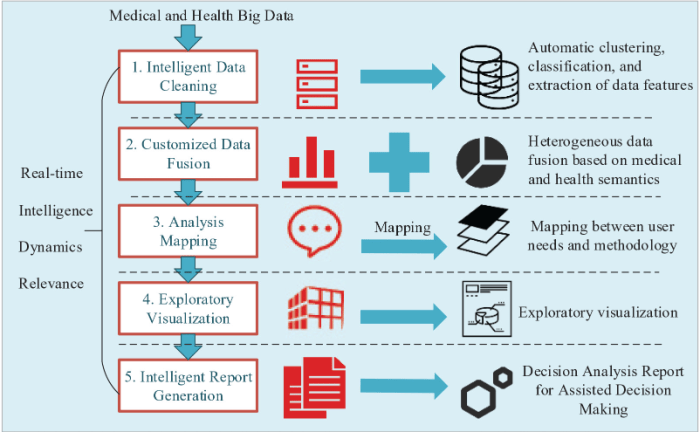
Regular monitoring of physical activity data is crucial for achieving optimal health. By tracking our exercise routines and activity levels, we can gain valuable insights into our overall well-being and make informed decisions to improve our health.
The Importance of Monitoring Physical Activity Data
- Tracking physical activity data allows us to set realistic fitness goals and monitor progress over time.
- It helps us identify patterns in our exercise routines and make adjustments for better results.
- By monitoring activity levels, we can ensure we are meeting recommended guidelines for physical activity to maintain good health.
Impact of Exercise Routine Data on Health Decisions
- Understanding our exercise routines through data can motivate us to stay active and maintain a consistent fitness regimen.
- It enables us to tailor our workouts to target specific health goals, whether it's weight loss, muscle gain, or overall cardiovascular health.
- By analyzing exercise data, we can identify areas of improvement and make changes to optimize our workouts for better health outcomes.
Correlation Between Physical Activity Data and Overall Health Improvement
- Consistent monitoring of physical activity data has been linked to improved cardiovascular health, increased energy levels, and better mental well-being.
- Tracking our activity levels can help us identify any potential health risks early on and take proactive measures to prevent chronic conditions.
- By leveraging data on our physical activity, we can make more informed decisions about our lifestyle choices and prioritize our health and well-being.
- Utilize wearable technology to track key health metrics such as heart rate, sleep patterns, and activity levels. This data can provide valuable insights into your current health status and help in setting specific, measurable goals.
- Monitor nutritional intake by logging meals and analyzing calorie consumption. This information can guide you in making informed decisions about your diet and setting achievable weight loss or nutrition-related goals.
- Set short-term and long-term objectives based on data analysis. Start with small, attainable goals and gradually progress towards more ambitious targets, ensuring a steady pace of improvement.
- Improved accountability and motivation: Having concrete data to track progress can enhance accountability and motivation levels, leading to better adherence to health goals.
- Personalized approach to health: Data analysis allows for a personalized approach to health management, enabling individuals to tailor their goals according to their unique health needs and preferences.
- Preventative health measures: By identifying trends and patterns in health data, individuals can proactively address potential health risks and make informed decisions to prevent future complications.
Setting Realistic Health Goals Based on Data Analysis
Data analysis plays a crucial role in helping individuals set achievable health targets. By leveraging data-driven insights, it becomes easier to establish realistic milestones for health improvements and track progress effectively. Let's delve deeper into how data can be utilized to optimize health goal setting.
Tips for Establishing Realistic Milestones
Long-Term Benefits of Data-Driven Health Goals
Ultimate Conclusion
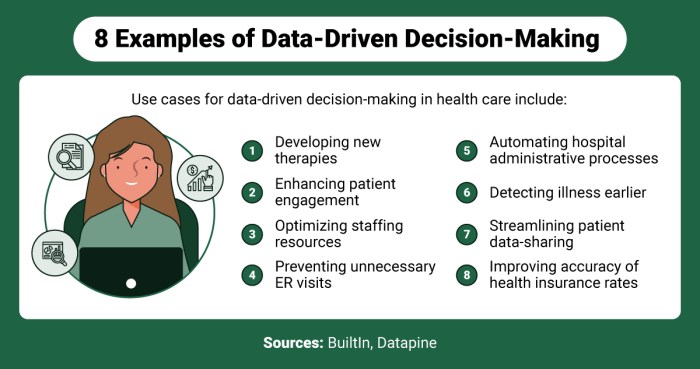
In conclusion, Data-Driven Lifestyle Decisions for Personal Health Goals empowers individuals to take control of their health and make informed choices. By leveraging data, one can pave the way for a healthier and happier lifestyle.
FAQ Overview
How can data influence personal health choices?
Data can provide insights into trends and patterns that can help individuals make informed decisions about their health and well-being.
What are some examples of data sources for health-related decisions?
Data from wearable devices, health apps, medical records, and genetic testing are common sources used to make health-related decisions.
How can data help in customizing dietary plans for personal health goals?
By analyzing nutritional data, individuals can tailor their dietary plans to meet their specific health objectives and requirements.
Why is monitoring physical activity data important for optimal health?
Tracking physical activity levels through data can help individuals understand their fitness progress and make adjustments for better health outcomes.
How can data analysis assist in setting achievable health targets?
Data analysis can provide individuals with insights into their current health status, allowing them to set realistic and achievable health goals.