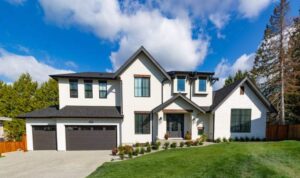
Exploring the realm of Climate-Resistant Siding Solutions for Coastal Homes, this introductory passage invites readers into a world of expertise, promising an informative yet engaging read.
Delve into the nuances of siding materials designed to withstand the challenges of coastal living.
Factors to Consider when Choosing Climate-Resistant Siding Solutions
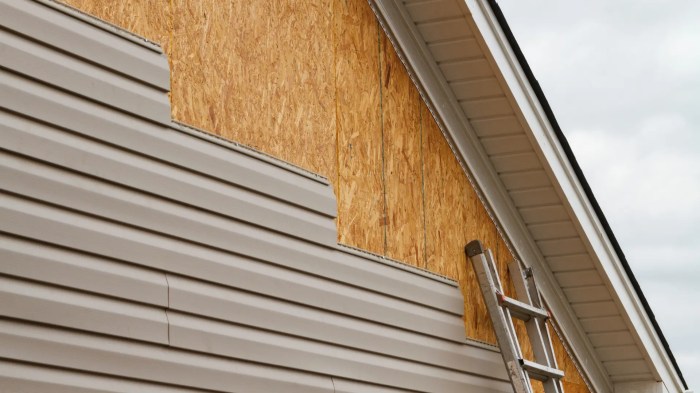
When it comes to coastal homes, selecting the right siding material is crucial due to the challenging environmental conditions they face. Factors such as saltwater exposure, high humidity, strong winds, and intense sunlight can all take a toll on the exterior of a home.
Key Environmental Factors Faced by Coastal Homes
- Saltwater Exposure: Coastal homes are often exposed to saltwater spray, which can corrode and degrade traditional siding materials.
- High Humidity: The constant moisture in the air near the coast can lead to mold, mildew, and rot if the siding material is not resistant.
- Strong Winds: Coastal areas are prone to strong winds during storms, which can cause damage to siding that is not securely installed or durable enough.
- Intense Sunlight: The UV rays from the sun can fade and deteriorate siding over time, especially if it is not designed to withstand prolonged sun exposure.
Importance of Selecting Climate-Resistant Siding Materials
Choosing siding materials that are specifically designed to withstand harsh coastal conditions is essential for the longevity and protection of a coastal home. Climate-resistant siding can help prevent damage, reduce maintenance costs, and improve the overall durability and appearance of the property.
Examples of Siding Materials for Climate Resistance
- Fiber Cement: Known for its durability and resistance to moisture, fiber cement siding is a popular choice for coastal homes.
- Vinyl: Vinyl siding is low-maintenance, resistant to saltwater corrosion, and comes in a variety of styles and colors.
- Engineered Wood: Engineered wood siding offers the look of natural wood with enhanced durability and resistance to rot and pests.
- Composite: Composite siding combines various materials to create a strong, weather-resistant option for coastal properties.
Types of Climate-Resistant Siding Solutions
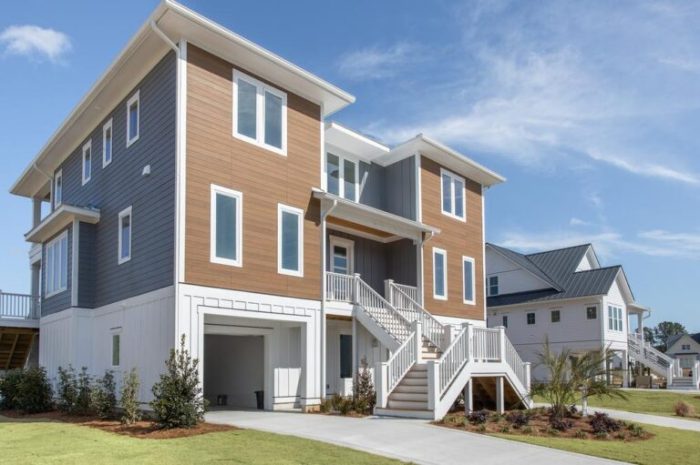
When it comes to choosing climate-resistant siding solutions for coastal homes, there are several options available. Each type of siding material comes with its own set of advantages and disadvantages, making it crucial to understand the differences between them before making a decision.
Below, we will compare and contrast different types of siding solutions suitable for coastal environments, detailing their pros and cons as well as the installation process for each.
Vinyl Siding
Vinyl siding is a popular choice for coastal homes due to its durability and low maintenance requirements. It is resistant to rot, moisture, and pests, making it ideal for humid and salty coastal environments. However, vinyl siding can crack or warp in extreme temperatures and may not be as impact-resistant as other materials.
The installation process for vinyl siding involves securing the panels to the exterior of the home, typically with nails or clips.
Fiber Cement Siding
Fiber cement siding is another excellent option for coastal homes, known for its durability and resistance to harsh weather conditions. This type of siding is resistant to rot, fire, and insects, making it a long-lasting choice for coastal properties. However, fiber cement siding can be heavy and may require professional installation due to its weight.
The installation process involves cutting and fitting the panels to the exterior of the home, followed by sealing the joints to prevent moisture penetration.
Wood Siding
Wood siding offers a classic and natural look that many homeowners love, making it a popular choice for coastal properties. While wood siding can withstand coastal climates when properly maintained, it is susceptible to rot, mold, and insect damage if not adequately cared for.
The installation process for wood siding involves attaching the boards or panels to the exterior of the home, typically with nails or screws, and applying a protective finish to seal the wood against moisture.
Composite Siding
Composite siding is a blend of wood fibers and other materials, offering the look of wood with enhanced durability and low maintenance requirements. This type of siding is resistant to rot, insects, and moisture, making it well-suited for coastal environments.
However, composite siding can be more expensive than other options, and the installation process may require specialized tools and techniques to ensure a proper fit.
Metal Siding
Metal siding, such as steel or aluminum, is a durable and weather-resistant option for coastal homes. Metal siding is resistant to fire, insects, and rot, making it a low-maintenance choice for homeowners looking for longevity
The installation process for metal siding involves attaching the panels to the exterior of the home, typically with screws or clips.
Maintenance and Longevity of Climate-Resistant Siding
When it comes to climate-resistant siding, maintenance plays a crucial role in ensuring the longevity and durability of the materials used. Proper upkeep not only protects your home from the elements but also prolongs the lifespan of the siding, saving you time and money in the long run.
Maintenance Requirements for Climate-Resistant Siding Options
- Regular cleaning: Depending on the siding material, it is essential to clean it periodically to remove dirt, debris, and mold that can accumulate over time.
- Inspection for damage: Conduct routine inspections to check for any signs of damage, such as cracks, warping, or loose panels, and address them promptly.
- Repainting or resealing: Some climate-resistant siding options may require repainting or resealing to maintain their protective coating and appearance.
How Regular Maintenance Extends the Lifespan of Siding Materials
- Prevents deterioration: By addressing issues early on through maintenance, you can prevent the siding from deteriorating further and needing costly repairs or replacements.
- Preserves appearance: Regular cleaning and upkeep help preserve the aesthetic appeal of the siding, keeping your home looking fresh and well-maintained.
- Enhances weather resistance: Proper maintenance reinforces the weather-resistant properties of the siding, ensuring it can withstand harsh conditions over time.
Tips for Ensuring the Longevity of Climate-Resistant Siding
- Follow manufacturer's guidelines: Adhere to the maintenance recommendations provided by the manufacturer to ensure the siding performs optimally.
- Address issues promptly: Don't wait until problems escalate. Address any damage or issues as soon as they arise to prevent further damage.
- Professional inspections: Consider hiring professionals for periodic inspections to identify any potential issues early on and take preventive measures.
Cost Considerations and Budgeting for Climate-Resistant Siding
When it comes to installing climate-resistant siding for coastal homes, cost considerations play a significant role in decision-making. Understanding the breakdown of costs involved and implementing budgeting strategies can help homeowners make cost-effective choices while ensuring the longevity and durability of their siding.
Cost Factors in Installing Climate-Resistant Siding
- Material Costs: The type of climate-resistant siding chosen will heavily influence the overall cost. Materials such as fiber cement, vinyl, or engineered wood each come with different price points.
- Installation Costs: Labor costs, complexity of installation, and the size of the project will impact the overall installation expenses.
- Maintenance Costs: While climate-resistant siding often requires less maintenance than traditional siding, factoring in maintenance costs over time is essential for budgeting.
- Additional Features: Trim, insulation, and other accessories can add to the total cost of the siding project.
Budgeting Strategies and Cost-Effective Choices
- Research and Compare: Gathering multiple quotes from different contractors and suppliers can help homeowners find the best pricing for materials and installation.
- Consider Long-Term Savings: While climate-resistant siding may have a higher initial cost, it can lead to significant long-term savings in maintenance and replacement costs.
- Opt for Durable Materials: Investing in high-quality, durable siding materials may require a larger upfront investment but can pay off in the long run by reducing the need for frequent repairs or replacements.
Long-Term Cost Savings with Climate-Resistant Siding
- Energy Efficiency: Some climate-resistant siding materials offer better insulation properties, leading to lower energy bills over time.
- Reduced Maintenance: With minimal maintenance requirements, homeowners can save on the costs of repairs and upkeep compared to traditional siding options.
- Increased Home Value: The durability and resilience of climate-resistant siding can enhance the overall value of a home, providing a return on investment in the future.
Closing Notes
Concluding our discussion on Climate-Resistant Siding Solutions for Coastal Homes, we have explored the critical factors, types of solutions, maintenance tips, and cost considerations, providing a holistic view for homeowners looking to protect their coastal abodes.
FAQ Compilation
What are the key environmental factors coastal homes face?
Coastal homes are exposed to saltwater corrosion, high winds, humidity, and intense sunlight.
How can regular maintenance extend the lifespan of siding materials?
Regular cleaning, inspections, and timely repairs can prevent damage and prolong the durability of climate-resistant siding.
Are there budget-friendly options for climate-resistant siding?
Opting for durable materials like vinyl or fiber cement can offer cost-effective solutions without compromising quality.