
Delve into the world of window replacements and repairs with the key question in mind: what's the smarter financial choice? This engaging paragraph sets the stage for a detailed exploration filled with insights and practical advice.
Provide a clear overview of the topic and its significance, enticing readers to discover more about the cost-effective options available for window maintenance.
Window Replacement vs Repair: What's More Cost-Effective?
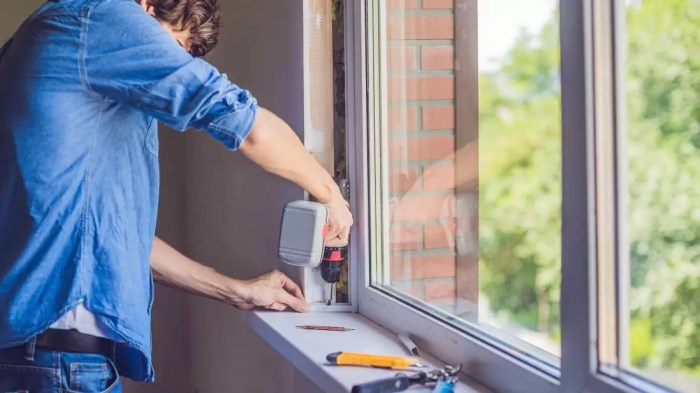
When considering whether to replace or repair your windows, cost-effectiveness is a key factor to take into account. Let's explore the initial costs, common repair issues, and long-term implications of both options.
Initial Costs Comparison
Window replacement typically involves higher upfront costs compared to repairs. The price of new windows, installation labor, and any additional materials can add up significantly. On the other hand, window repair costs are generally lower as they involve fixing specific issues without replacing the entire window.
Common Window Repair Issues
- Cracked or broken glass: Repairing a cracked or broken window pane is often more cost-effective than replacing the entire window.
- Seal failure: If your window seal is damaged, repairing it can prevent energy loss and maintain insulation without the need for a full replacement.
- Hardware issues: Fixing faulty locks, handles, or hinges is usually more affordable than investing in a new window.
Long-Term Cost Implications
Choosing repair over replacement can have long-term cost benefits. By addressing specific issues promptly, you can extend the lifespan of your windows and avoid the need for premature replacements. Regular maintenance and repairs can help you save money in the long run by preventing more significant problems and improving energy efficiency.
Factors Impacting Cost-Effectiveness
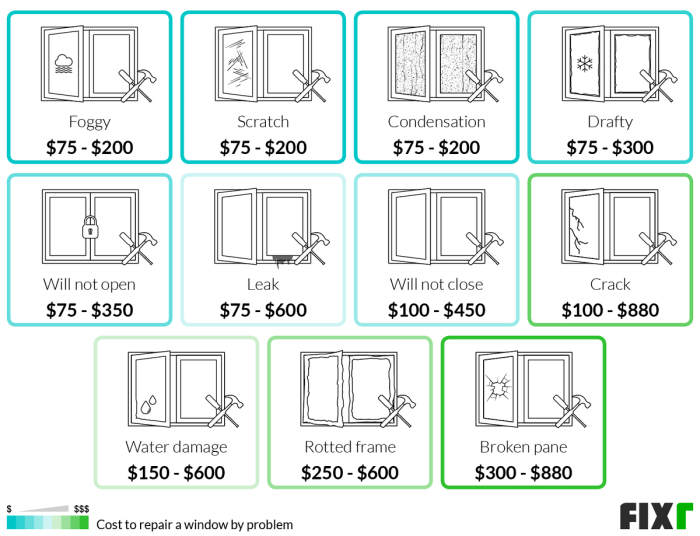
When deciding between window replacement and repair, several factors come into play that can influence the cost-effectiveness of each option. Factors such as window age, type of damage, and energy efficiency play a crucial role in determining which route is more cost-effective for homeowners.
Additionally, the size of the repair or replacement project can significantly impact overall costs, and the choice between repair and replacement can also have implications for home value and energy efficiency.
Window Age
The age of the window is a significant factor in determining whether repair or replacement is more cost-effective. Older windows may require frequent repairs and maintenance, which can add up in costs over time. In such cases, replacing the window with a newer, more energy-efficient model might be a better long-term investment.
Type of Damage
The type and extent of damage to the window can also influence the cost-effectiveness of repair versus replacement. Minor damage, such as a small crack or seal failure, can often be repaired at a lower cost than replacing the entire window.
However, if the damage is extensive or if the window is beyond repair, replacing it may be the more cost-effective option in the long run.
Energy Efficiency
Energy efficiency is another crucial factor to consider when deciding between window repair and replacement. Older windows are often less energy-efficient, leading to higher heating and cooling costs. Investing in new, energy-efficient windows can help homeowners save on energy bills in the long term, making replacement a more cost-effective choice in terms of energy savings.
Size of the Project
The size of the repair or replacement project can also impact overall costs
Impact on Home Value and Energy Efficiency
The choice between repairing or replacing windows can also impact home value and energy efficiency. New, energy-efficient windows can increase the value of a home and attract potential buyers, whereas old or damaged windows may decrease property value. Additionally, energy-efficient windows can help reduce energy consumption and improve overall comfort, making them a cost-effective investment in the long term.
Environmental Considerations
When it comes to deciding between window replacement and repair, one crucial aspect to consider is the environmental impact of your choice. Both options have implications for sustainability and the environment, so it's essential to weigh these factors carefully.
Impact on the Environment
Replacing windows often involves the disposal of the old windows, which can contribute to landfill waste and environmental pollution. On the other hand, repairing windows can help reduce waste and minimize the resources needed for manufacturing new windows, thus lowering the overall environmental footprint.
Additionally, the production of new windows requires energy and raw materials, further impacting the environment. By opting for repair instead of replacement, you can help conserve resources and reduce your carbon footprint.
Material Choices
The materials used in window repairs or replacements can also have varying environmental impacts. For instance, choosing energy-efficient materials for repairs can enhance the overall sustainability of your windows by improving insulation and reducing energy consumption.
Similarly, selecting eco-friendly materials for window replacements, such as recycled glass or sustainably sourced wood, can help lessen the environmental impact of the manufacturing process. These choices can contribute to a more sustainable approach to window maintenance and reduce your ecological footprint in the long run.
DIY vs Professional Services
When it comes to window replacement or repair, deciding between doing it yourself (DIY) or hiring professional services can significantly impact the cost-effectiveness of the project. Let's take a closer look at the factors to consider in each scenario.
DIY Repairs
- Small repairs like re-caulking or replacing weatherstripping can often be done by homeowners themselves, saving on labor costs.
- DIY repairs are cost-effective when the damage is minor and does not require specialized tools or expertise.
- However, it's essential to assess your skills and comfort level with the task at hand before attempting a repair yourself.
Professional Services for Replacement or Repair
- For more complex issues or full window replacements, hiring a professional is usually more financially prudent.
- Professionals have the experience, tools, and knowledge to ensure the job is done correctly and efficiently, reducing the risk of costly mistakes.
- Additionally, professionals may have access to discounted materials or be able to provide warranties on their work, adding value to the overall cost-effectiveness.
Epilogue
Conclude this discussion with a compelling summary that recaps the key points and leaves readers with a deeper understanding of the cost-effective considerations between window replacement and repair.
User Queries
What are some common window repair issues that can be more cost-effective to fix?
Common issues like sealing gaps, replacing weatherstripping, or fixing minor cracks can often be more cost-effective to repair than opting for a full replacement.
How does the choice between repair and replacement impact home value and energy efficiency?
Opting for repair over replacement can help maintain or even enhance home value, while also improving energy efficiency by addressing specific issues without the need for a complete replacement.
When is it advisable to do small window repairs yourself for cost-effectiveness?
Small repairs like minor glass pane replacements or hardware adjustments can be cost-effective to tackle on your own, saving on professional service costs.
How do different materials used in window repairs or replacements affect the environment?
Materials like energy-efficient glass or recycled frames can lessen environmental impact when used in window repairs or replacements, promoting sustainability in the long run.