When it comes to choosing between siding and stucco for your home's exterior, making the right decision is crucial. This article delves into the key differences and factors to consider, guiding you towards the perfect choice that suits your needs.
Introduction
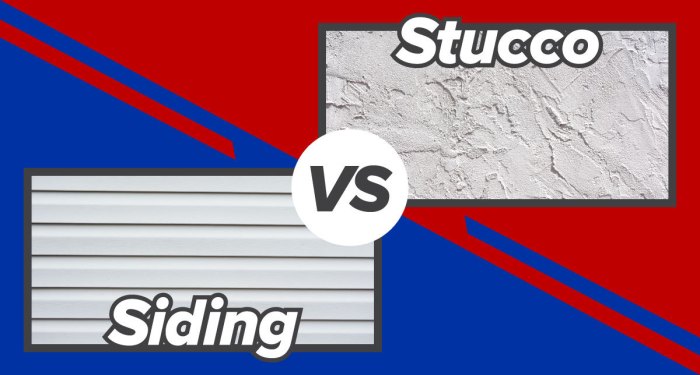
Siding and stucco are two popular choices for home exteriors, each offering unique benefits and considerations. Siding refers to the outer covering or cladding of a house, typically made of vinyl, wood, or fiber cement, providing protection and insulation. On the other hand, stucco is a cement-based material applied in layers to create a durable and textured finish on the exterior walls of a home.Choosing the right exterior for your home is crucial as it not only impacts the aesthetic appeal but also affects the overall protection and maintenance requirements of your property.
Factors such as climate, maintenance costs, durability, and personal preferences play a significant role in determining whether siding or stucco is the best option for your home.
Siding Options
- Vinyl Siding: A popular and cost-effective choice, known for its low maintenance requirements and versatility in design options.
- Wood Siding: Offers a timeless and natural look but requires regular maintenance to prevent rot, mold, and insect damage.
- Fiber Cement Siding: Durable and resistant to fire, water, and insects, providing a long-lasting solution for homeowners.
Stucco Considerations
- Durability: Stucco is known for its longevity and ability to withstand various weather conditions, making it a durable option for many homeowners.
- Maintenance: While stucco is durable, it may require periodic inspections and repairs to prevent cracks and water damage over time.
- Customization: Stucco offers versatility in texture and color options, allowing homeowners to create a unique and customized look for their exteriors.
Siding Overview
When it comes to choosing the right exterior for your home, siding is a popular option that offers a variety of materials to choose from. Each type of siding material has its own unique characteristics, benefits, and maintenance requirements.Vinyl siding is a popular choice due to its affordability, low maintenance, and wide range of colors and styles.
It is durable and resistant to rot, mold, and insect damage, making it a long-lasting option for many homeowners.Wood siding provides a classic, natural look that can add warmth and charm to a home. While it requires more maintenance than vinyl, with regular painting or staining, wood siding can last for many years if properly cared for.Fiber cement siding is a versatile option that offers the look of wood with the durability of cement.
It is resistant to fire, moisture, and pests, making it a low-maintenance choice for those looking for a long-lasting exterior solution.
Durability and Maintenance
- Vinyl siding: Requires occasional cleaning with a hose and mild detergent to maintain its appearance. It is prone to cracking and fading over time but can last up to 20-40 years with proper care.
- Wood siding: Needs regular painting or staining to prevent rot and mold growth. With proper maintenance, wood siding can last 20-30 years or more.
- Fiber cement siding: Requires little maintenance beyond occasional cleaning. It is resistant to rot, pests, and fire, and can last 30-50 years or more with minimal upkeep.
Stucco Overview
Stucco is a type of exterior finish that is applied to the walls of a home to create a durable and attractive surface. It is made from a mixture of cement, sand, and water, which is then spread over a wire or wood lath to create a smooth, seamless finish.
Benefits of Stucco
Stucco offers several advantages as an exterior material. It is highly durable and can last for decades without needing frequent maintenance. Stucco is also fire-resistant, providing an added layer of protection for your home. Additionally, stucco is energy-efficient, helping to regulate indoor temperatures and reduce heating and cooling costs.
Drawbacks of Stucco
While stucco has many benefits, there are also some drawbacks to consider. Stucco can be prone to cracking over time, especially in areas with extreme temperature changes. Repairing stucco can be more labor-intensive and costly compared to other exterior materials.
Additionally, stucco may not be suitable for homes in areas with high moisture levels, as it can trap water and lead to mold or mildew growth.
Aesthetics
When it comes to the exterior of your home, aesthetics play a crucial role in making a lasting impression
Visual Appeal
- Siding offers a wide range of options in terms of colors, textures, and styles, allowing homeowners to achieve a variety of looks from traditional to modern.
- Stucco, on the other hand, provides a smooth, seamless finish that exudes a classic and elegant aesthetic.
- The visual appeal of siding can be enhanced through different patterns such as horizontal or vertical installation, while stucco's charm lies in its uniform and timeless appearance.
Curb Appeal
- Siding can add depth and dimension to the exterior of a house, creating a dynamic and eye-catching facade that can increase curb appeal.
- Stucco, with its clean lines and sophisticated appeal, can give a home a sense of grandeur and luxury, making it stand out in the neighborhood.
- Both siding and stucco can significantly impact the resale value of a home by enhancing its overall curb appeal and attractiveness to potential buyers.
Cost Considerations
When deciding between siding and stucco for your home's exterior, cost is a crucial factor to consider. Let's break down the cost implications of both options to help you make an informed decision.
Cost Differences Between Siding and Stucco Installation
- Siding installation typically costs less upfront compared to stucco. The materials for siding are generally more affordable, and the installation process is usually quicker.
- On the other hand, stucco installation tends to be more expensive due to the labor-intensive application process and the higher cost of materials.
- It's important to factor in the size of your home, as larger homes will naturally incur higher installation costs for both siding and stucco.
Long-Term Cost Implications
- Maintenance for siding usually involves occasional cleaning and repainting, which can add up over time. However, the overall maintenance costs for siding are generally lower compared to stucco.
- Stucco, while durable, may require more frequent repairs and maintenance due to its susceptibility to cracking and chipping. These repairs can be costly, especially if they involve extensive patching or reapplication of stucco.
- Consider the climate in your area, as extreme weather conditions can impact the longevity of both siding and stucco, potentially leading to additional maintenance and repair costs.
Climate Suitability
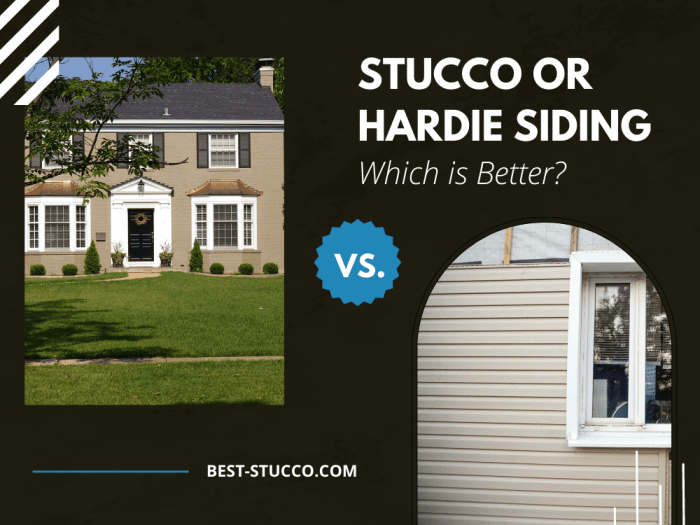
When considering which exterior material to choose for your home, climate suitability plays a crucial role in determining the performance and longevity of siding or stucco. Each material has its own advantages and disadvantages when it comes to different weather conditions.
Siding in Various Climates
Siding, such as vinyl or fiber cement, is known for its versatility in different climates. It can withstand a wide range of temperatures and weather patterns, making it a popular choice for many homeowners. However, extreme heat or cold can affect the durability of siding, leading to potential warping or cracking over time.
Stucco in Various Climates
Stucco is a durable material that can withstand harsh weather conditions, making it ideal for hot and dry climates. It provides excellent insulation and is resistant to fire and pests. However, in areas with high humidity or frequent rainfall, stucco may be prone to cracking or moisture issues, which can lead to costly repairs.
Last Point
As we wrap up our discussion on Siding vs Stucco: Which Exterior is Right for You?, it's clear that both options have their merits. By weighing the aesthetics, costs, and climate suitability, you can make an informed decision that enhances the beauty and functionality of your home.
Question & Answer Hub
Which is more durable, siding or stucco?
Siding materials like fiber cement tend to be more durable compared to traditional stucco, which may require more maintenance over time.
Can you paint both siding and stucco?
While siding can be painted relatively easily, stucco requires a specialized process due to its textured surface.
Is stucco more expensive than siding?
Stucco installation costs can be higher upfront, but siding may incur more maintenance costs in the long run, balancing out the overall expenses.