
Delve into the world of maximizing natural light in interior spaces with our expert insights and tips. Discover how simple design choices can transform the ambiance of any room, creating a brighter and more inviting atmosphere.
Importance of Natural Light in Interior Spaces
Natural light plays a crucial role in enhancing the ambience and functionality of interior spaces. Maximizing natural light not only brightens up a room but also brings a plethora of benefits that contribute to overall well-being.
Benefits of Maximizing Natural Light
- Improved Mood: Natural light has been linked to boosting mood and reducing feelings of depression and anxiety. It helps regulate the body's circadian rhythm, leading to better sleep patterns and overall well-being.
- Energy Efficiency: By utilizing natural light, you can reduce the need for artificial lighting during the day, resulting in lower energy consumption and cost savings.
- Enhanced Visual Appeal: Natural light creates a sense of openness and spaciousness in a room, making it visually appealing and inviting.
Impact on Atmosphere
Natural light has the power to transform the atmosphere of a space, making it feel more vibrant and alive. It highlights architectural features, textures, and colors, adding depth and character to the interior.
Effect on Mood and Well-being
- Increased Productivity: Studies have shown that exposure to natural light in workspaces can enhance productivity and focus, leading to better performance.
- Health Benefits: Natural light provides essential vitamin D, which is crucial for bone health and immune function. It also helps reduce eyestrain and headaches associated with prolonged artificial lighting.
- Connection to Nature: Bringing natural light into interior spaces creates a connection to the outdoors, fostering a sense of harmony and well-being.
Design Considerations for Maximizing Natural Light
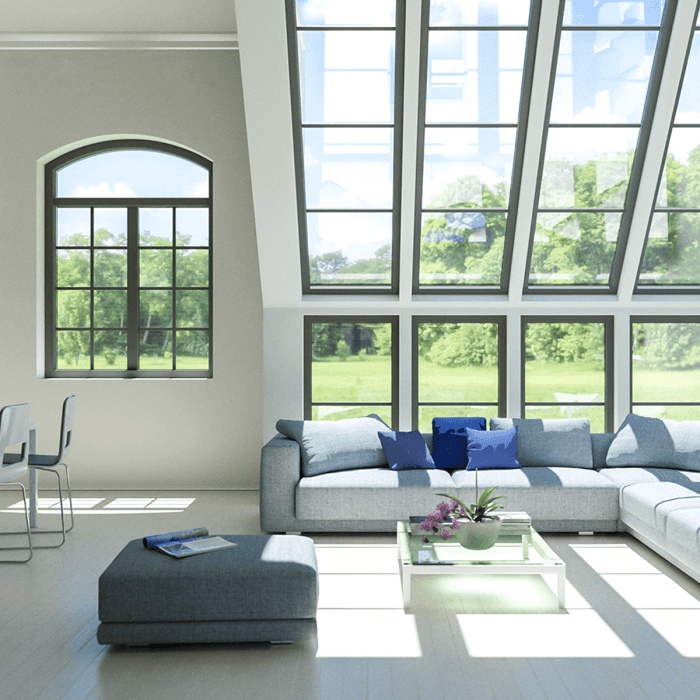
When it comes to maximizing natural light in interior spaces, there are several design considerations that can make a significant impact. By incorporating certain architectural elements, paying attention to window placement and size, and utilizing reflective surfaces, you can enhance the amount of natural light that enters a room.
Architectural Elements for Maximizing Natural Light
- Skylights: Installing skylights in a space can bring in additional natural light from above, creating a bright and airy atmosphere.
- Clerestory Windows: These high windows allow light to enter a room without compromising privacy, making them a great option for maximizing natural light.
- Atriums: Including an atrium in a building design can help distribute natural light throughout multiple levels, creating a well-lit environment.
Importance of Window Placement and Size
- Strategic window placement: Placing windows on the south side of a building allows for maximum sunlight throughout the day, while east-facing windows capture the morning light.
- Large windows: Installing larger windows can increase the amount of natural light that enters a room, creating a brighter and more inviting space.
- Window orientation: Orienting windows to face open views and green spaces can improve the quality of natural light and provide a connection to the outdoors.
Role of Reflective Surfaces in Enhancing Natural Light
- Use of mirrors: Placing mirrors strategically can help reflect natural light around a room, making it feel larger and brighter.
- Light-colored surfaces: Painting walls and ceilings in light colors can bounce natural light around a space, amplifying its brightness.
- Glossy finishes: Opting for glossy finishes on furniture or surfaces can increase light reflection and make the most of available natural light.
Choosing the Right Window Treatments
When it comes to maximizing natural light in interior spaces, choosing the right window treatments plays a crucial role. The type, color, and material of your window treatments can significantly impact the amount of light that enters a room while also ensuring privacy.
Types of Window Treatments
- Curtains: Curtains are versatile and come in various thicknesses, colors, and materials. Sheer curtains allow light to filter through while providing privacy. Thicker curtains can block out light when needed.
- Blinds: Blinds offer adjustable slats that can be tilted to control the amount of light entering a room. They are available in different materials like wood, aluminum, or fabric.
- Shades: Shades are available in various styles such as roller shades, Roman shades, and cellular shades. They can be customized to allow varying levels of light diffusion.
Tips for Maximum Light and Privacy
- Choose sheer or light-colored curtains to allow natural light to filter through while maintaining privacy during the day.
- Opt for top-down/bottom-up shades that can be adjusted to let light in from the top while still blocking the view from the bottom.
- Consider layering window treatments with sheer curtains and blinds or shades for a balance between light and privacy.
Impact of Color and Material
- Light-colored window treatments reflect light and make a room feel brighter and more spacious.
- Choose natural materials like cotton or linen for curtains to allow light to pass through easily.
- Darker window treatments absorb light and can make a room feel cozier, but they may reduce the amount of natural light that enters.
Utilizing Mirrors and Glass
Mirrors and glass are excellent tools for maximizing natural light in interior spaces. They have the ability to reflect and amplify light, creating a brighter and more spacious feel in a room. By strategically placing mirrors and incorporating glass partitions, you can significantly enhance the amount of natural light that flows through your space.
Mirrors for Light Reflection
Using mirrors to reflect natural light is a simple yet effective technique. Placing mirrors opposite windows allows them to bounce light around the room, brightening up darker corners and creating a sense of depth. Mirrors can also make a room appear larger by visually extending the space.
Consider using large mirrors or mirrored furniture to maximize the light-reflecting effect.
Glass Partitions for Light Flow
Glass partitions are another great way to allow natural light to flow through different areas of a space. These transparent barriers help maintain an open and airy feel while still providing some level of separation. By using glass walls or doors, you can ensure that light penetrates deeper into the room, reaching even the most secluded corners.
This not only brightens up the space but also creates a more cohesive and connected environment.
Selecting Light Colors and Finishes
Light colors and finishes play a crucial role in maximizing natural light in interior spaces. By choosing the right paint colors and finishes, you can create a bright and airy atmosphere that enhances the overall brightness of a room. Coordinating furniture and decor with light-enhancing colors further amplifies the effect, creating a harmonious and well-lit space.
Examples of Light-Reflecting Paint Colors and Finishes
- Opt for light shades of white, such as creamy whites or off-whites, to reflect natural light effectively.
- Pastel colors like soft blues, pale yellows, and gentle greens can also help bounce light around the room.
- Choose glossy or satin finishes for walls and ceilings as they reflect more light compared to matte finishes.
Importance of Coordinating Furniture and Decor
- Use furniture and decor in light colors to complement the paint choices and enhance the overall brightness of the room.
- Consider incorporating metallic finishes like chrome or brass to add a reflective element that further boosts the natural light.
- Opt for sheer or light-colored curtains to allow maximum light penetration while maintaining privacy.
Incorporating Skylights and Light Tubes
Adding skylights and light tubes to interior spaces can significantly increase the amount of natural light, creating a brighter and more inviting atmosphere.
Benefits of Skylights and Light Tubes
Skylights and light tubes offer numerous benefits, including:
- Increasing natural light levels, reducing the need for artificial lighting during the day.
- Creating a sense of openness and connection to the outdoors.
- Improving mood and productivity by providing access to natural sunlight.
Effectiveness of Skylights vs Light Tubes
Skylights are ideal for larger spaces where natural light can penetrate deeply, while light tubes are more suitable for smaller or enclosed areas that may not have direct access to the roof.
Tips for Positioning and Sizing Skylights/Light Tubes
When deciding on the placement and size of skylights or light tubes, consider the following:
- Position skylights on the south-facing side for maximum sunlight exposure throughout the day.
- Choose the appropriate size based on the square footage of the room to ensure sufficient light distribution.
- Use light tubes in spaces with limited roof access or where traditional skylights are not feasible.
Ending Remarks
Elevate your living spaces by harnessing the power of natural light. With the right techniques and considerations, you can truly make a difference in how your home looks and feels. Let light be your guide to a more vibrant and uplifting environment.
Answers to Common Questions
How can I maximize natural light in a room with limited windows?
Consider using light-colored paint, strategically placing mirrors, and opting for sheer curtains to make the most of the available natural light.
What are some common mistakes to avoid when trying to maximize natural light?
Avoid blocking windows with heavy furniture, using dark and heavy window treatments, and neglecting to clean windows regularly to ensure maximum light penetration.
Can artificial lighting complement natural light in interior spaces?
Absolutely! Combining natural light with well-placed artificial lighting can create a balanced and harmonious ambiance, enhancing the overall brightness and warmth of a room.