Future-Proof Interior Layouts for Tech-Integrated Homes sets the stage for this enthralling narrative, offering readers a glimpse into a story that is rich in detail and brimming with originality from the outset. As technology continues to shape our homes, the need for adaptable and forward-thinking interior layouts becomes increasingly vital.
This article delves into the intricate balance between design and technology, exploring key elements and strategies to ensure your home remains up-to-date and functional for years to come.
From the importance of future-proofing to the seamless integration of smart devices, this discussion promises to equip you with the knowledge and inspiration needed to create a tech-savvy living space that stands the test of time.
Importance of Future-Proof Interior Layouts
Future-proof interior layouts play a crucial role in tech-integrated homes by ensuring that the design can accommodate advancements in technology over time. This proactive approach not only enhances the functionality of the home but also increases its overall value and longevity.
Impact of Technology Trends on Interior Design
As technology continues to evolve at a rapid pace, it directly influences the way we interact with our living spaces. For instance, the rise of smart home devices and automation systems has led to a greater emphasis on connectivity and integration within interior design.
This shift has prompted designers to consider factors like wiring, storage solutions, and adaptable spaces to support the seamless incorporation of technology.
Increasing Longevity and Value of a Home
- Future-proofing interior layouts can extend the lifespan of a home by ensuring that it remains relevant and functional as new technologies emerge.
- By incorporating flexible design elements and infrastructure for tech integration, homeowners can easily upgrade their systems without the need for major renovations.
- This approach adds value to the property by appealing to tech-savvy buyers and future-proofing against potential obsolescence.
Key Elements for Tech Integration
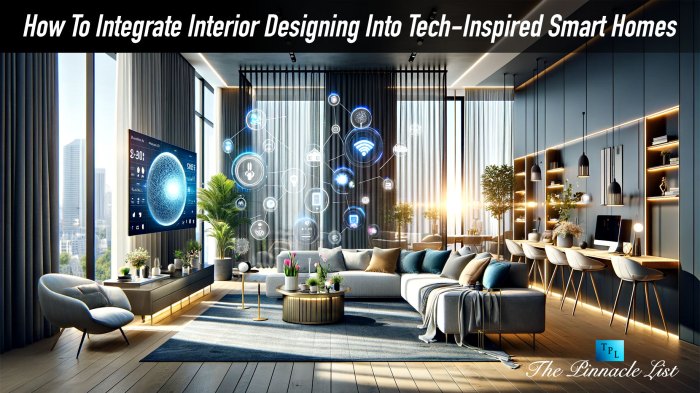
When designing a tech-integrated home layout, there are several key elements to consider to ensure a seamless integration of smart devices while maintaining a balance between aesthetics and functionality.
Smart Device Compatibility
It is essential to choose smart devices that are compatible with each other to create a cohesive and efficient smart home ecosystem. Ensure that the devices can communicate effectively and work together to enhance the overall functionality of the home.
Wireless Connectivity
Incorporating wireless connectivity throughout the home is crucial for the smooth operation of smart devices. This includes ensuring strong Wi-Fi coverage, utilizing smart hubs for central control, and considering the placement of routers and access points for optimal connectivity.
Power Outlets and USB Ports
Strategic placement of power outlets and USB ports is necessary to accommodate the charging and operation of various smart devices. Consider integrating built-in outlets with USB ports in convenient locations to enhance the usability of the space.
Automation and Control
Design the layout with automation and control in mind, allowing for the seamless operation of smart devices through voice commands, mobile apps, or centralized control panels. Incorporate features like smart lighting, thermostats, and security systems for increased convenience and efficiency.
Data Security and Privacy
Prioritize data security and privacy when integrating tech into the home layout. Implement robust cybersecurity measures, such as encrypted networks and secure access controls, to safeguard personal information and prevent unauthorized access to smart devices.
Scalability and Future-Proofing
Design the layout with scalability and future-proofing in mind to accommodate advancements in technology and the addition of new smart devices. Consider flexible wiring options, expandable systems, and easily upgradable components to ensure the longevity and relevance of the tech-integrated home layout.
Flexibility and Adaptability
In today's rapidly evolving technological landscape, it is crucial for interior layouts to be flexible and adaptable to accommodate changing tech needs. Designing spaces that can easily integrate new technologies not only enhances the functionality of a home but also future-proofs it against obsolescence.
Designing Adaptable Spaces
Creating adaptable spaces starts with considering the layout and flow of a room. Opt for open floor plans that allow for easy reconfiguration and addition of tech devices. Built-in storage solutions can help conceal cables and gadgets, maintaining a clean and organized look while being adaptable to changing needs.
Modular Furniture and Multi-Functional Spaces
Utilizing modular furniture pieces that can be easily rearranged or expanded is a great way to enhance adaptability. Look for items like modular sofas, stackable tables, and adjustable shelving units that can be customized to fit different tech setups. Multi-functional spaces, such as a home office that can double as a guest room, provide versatility for various uses and tech integrations.
Connectivity and Accessibility
In a tech-integrated home, optimizing connectivity and ensuring easy accessibility are crucial for a seamless user experience. This involves strategic placement of outlets, wiring, and tech infrastructure to support various devices and systems throughout the home.
Optimizing Connectivity
- Ensure proper placement of Wi-Fi routers to provide maximum coverage throughout the home, minimizing dead zones.
- Consider installing Ethernet ports in key areas for a more stable and faster internet connection, especially for smart devices that require a constant connection.
- Utilize smart switches and outlets that can be controlled remotely to enhance convenience and connectivity.
Accessibility Design
- Plan the placement of outlets strategically to accommodate various devices and prevent clutter caused by tangled cords.
- Implement hidden wiring solutions or built-in cable management systems to maintain a clean and organized look while ensuring easy access for maintenance or upgrades.
- Design tech infrastructure with future upgrades in mind, making it easier to integrate new devices or systems as technology advances.
Wrap-Up
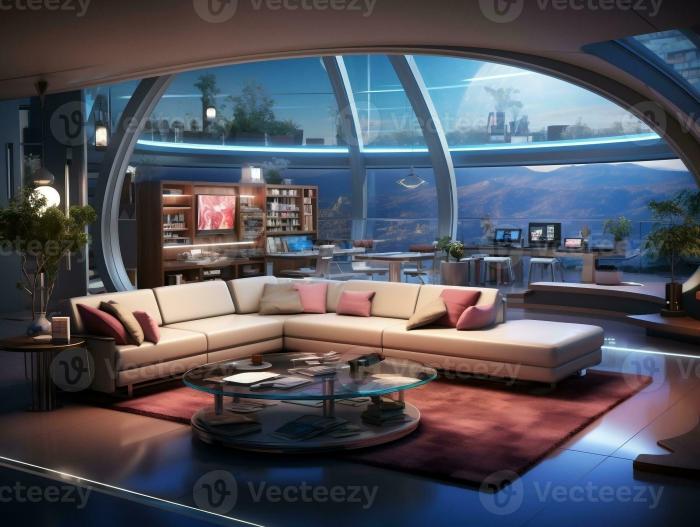
In conclusion, Future-Proof Interior Layouts for Tech-Integrated Homes offers a comprehensive guide to navigating the ever-evolving landscape of technology in home design. By embracing flexibility, adaptability, and connectivity, homeowners can future-proof their living spaces and stay ahead of the curve.
Whether you're a tech enthusiast or simply looking to enhance your home, these insights provide a roadmap to creating a modern, efficient, and aesthetically pleasing environment for years to come.
Detailed FAQs
How can future-proof interior layouts add value to a home?
Future-proof interior layouts ensure that your home can easily accommodate new technologies, increasing its longevity and appeal to potential buyers.
What are some tips for designing adaptable spaces for evolving technologies?
Utilize modular furniture and create multi-functional areas that can easily be reconfigured to accommodate changing tech needs.
Why is connectivity optimization important in tech-integrated homes?
Optimizing connectivity ensures that smart devices can communicate effectively and operate seamlessly throughout the home.