
Embarking on the journey of Cyber Wellness: Digital Lifestyle Safety for Families, this introduction aims to provide a captivating overview of the topic, shedding light on the importance of navigating the digital landscape securely as a family unit.
Introduction to Cyber Wellness
In today's digital age, Cyber Wellness plays a crucial role in ensuring the safety and well-being of individuals, especially within families. It involves promoting a healthy online behavior and educating individuals on the importance of digital lifestyle safety.
The Importance of Cyber Wellness for Families
Cyber Wellness encompasses various aspects of digital safety, including protecting personal information, preventing cyberbullying, and managing screen time effectively. By promoting Cyber Wellness within families, parents can guide their children towards responsible online behavior and create a safe digital environment at home.
Risks and Challenges
In today's digital world, families face a multitude of risks and challenges that can impact the well-being of both children and adults. It is crucial to be aware of these issues to ensure a safe and healthy digital lifestyle.
Impact of Excessive Screen Time
Excessive screen time can have detrimental effects on both children and adults. It can lead to physical health issues such as obesity, poor posture, and eye strain. Moreover, it can also impact mental health by causing sleep disturbances, anxiety, and decreased social interaction.
Potential Dangers of Cyberbullying and Online Predators
Cyberbullying is a serious concern in the digital world, especially for children. It can lead to emotional distress, low self-esteem, and even suicidal thoughts. Online predators pose a threat to both children and adults, as they can manipulate individuals and engage in harmful behaviors.
Establishing Digital Rules
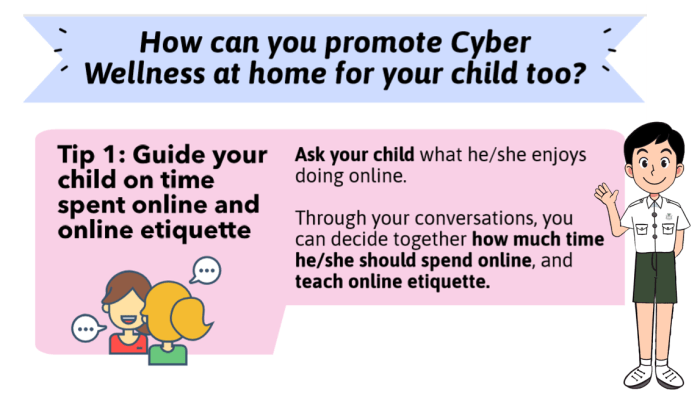
Setting clear digital boundaries within the family is crucial to ensure a healthy balance between screen time and other activities. By creating a family technology agreement, everyone in the household can be on the same page regarding the rules and expectations when it comes to using digital devices.
Here are some tips and examples to help establish digital rules:
Importance of Creating a Family Technology Agreement
Creating a family technology agreement helps promote discussions about responsible technology use and sets a foundation for healthy digital habits.
- Set clear guidelines on when and where devices can be used in the house.
- Establish rules for appropriate content and time limits for screen time.
- Encourage open communication about online activities and experiences.
Healthy Screen Time Limits for Different Age Groups
Setting age-appropriate screen time limits can help prevent digital addiction and promote overall well-being.
| Age Group | Recommended Screen Time |
|---|---|
| Preschoolers (2-5 years) | 1 hour of high-quality programming per day |
| Children (6-12 years) | 2 hours of recreational screen time per day |
| Teens (13-18 years) | Up to 2 hours of recreational screen time per day |
Online Privacy and Security
In today's digital age, safeguarding personal information online is crucial to protect oneself and one's family from potential privacy breaches and cyber threats. It is important to be aware of the risks of oversharing on social media platforms and to implement strategies to enhance online privacy and security for all family members.
Importance of Safeguarding Personal Information Online
Personal information such as full names, addresses, phone numbers, and even photos can be misused by cybercriminals if not protected properly. It is essential to limit the amount of personal information shared online to prevent identity theft, phishing scams, and other forms of cyber attacks.
Risks of Oversharing on Social Media Platforms
Oversharing on social media platforms can lead to privacy invasions, as well as potential risks such as cyberbullying, stalking, and exploitation. Posting too much personal information can make individuals and their families vulnerable to online predators and hackers.
Strategies for Enhancing Online Privacy and Security for Family Members
- Avoid sharing sensitive personal information such as home address, phone numbers, and financial details on public platforms.
- Regularly review privacy settings on social media accounts and adjust them to limit the visibility of shared content.
- Use strong, unique passwords for each online account and enable two-factor authentication whenever possible.
- Be cautious of phishing emails and messages that request personal information or prompt you to click on suspicious links.
- Educate family members, especially children, about the importance of online privacy and security practices to ensure safe digital interactions.
Building Digital Literacy
Educating family members about online safety is crucial in today's digital age. With the increasing use of technology and the internet, it is important for everyone in the family to be aware of the potential risks and challenges that come with it.
By building digital literacy skills, family members can navigate the online world more safely and confidently.
Importance of Digital Literacy
- Understanding the basics of online safety and privacy protection
- Recognizing and avoiding online scams and phishing attempts
- Being able to critically evaluate information found online
Resources for Improving Digital Literacy
- Online courses and tutorials on digital literacy and online safety
- Educational websites and resources provided by reputable organizations
- Workshops and seminars focused on digital literacy skills
Identifying Reliable Sources and Avoiding Misinformation
- Check the credibility of the website or source before trusting the information
- Look for information from reputable sources such as government websites or established organizations
- Be cautious of information that seems too good to be true or lacks evidence
Balancing Screen Time with Physical Activities
In today's digital age, it's crucial to strike a healthy balance between screen time and physical activities to maintain overall well-being. Let's explore some tips and ideas to help families achieve this balance.
Impact of Excessive Screen Time
Excessive screen time can have detrimental effects on both mental and physical health. It can lead to issues such as eye strain, poor posture, sleep disturbances, and increased risk of obesity. Moreover, spending too much time on screens can contribute to feelings of isolation, anxiety, and depression.
Tips for Maintaining a Healthy Balance
- Set limits on screen time: Establish clear rules for how much time can be spent on devices each day.
- Encourage outdoor activities: Plan regular outdoor activities such as walks, bike rides, or sports to break up screen time.
- Create tech-free zones: Designate certain areas in the house where screens are not allowed, such as the dining table or bedrooms.
- Practice mindfulness: Encourage mindfulness activities like yoga or meditation to help reduce screen-related stress.
Incorporating Technology-Free Activities into Family Routines
- Family game nights: Dedicate one evening a week to playing board games or engaging in other screen-free activities together.
- Cooking or baking together: Get the family involved in preparing meals or baking treats without the use of screens.
- Gardening or nature walks: Spend time outdoors tending to a garden or going on nature walks to connect with the environment.
- Arts and crafts: Explore creative activities like painting, drawing, or crafting as a fun way to disconnect from screens.
Conclusive Thoughts
Concluding our discussion on Cyber Wellness: Digital Lifestyle Safety for Families, we reflect on the key points covered and emphasize the significance of fostering a safe and healthy online environment for all family members.
FAQs
How can I set digital boundaries within my family?
To establish digital boundaries, communicate openly with your family members, set clear guidelines for screen time usage, and monitor online activities regularly.
What are some risks of oversharing personal information online?
Oversharing personal information online can lead to identity theft, cyberstalking, and invasion of privacy.
How can I balance screen time with physical activities for my family?
Encourage outdoor activities, designate tech-free zones at home, and involve your family in physical exercises to maintain a healthy balance.