
Embark on a journey of creativity and innovation with Blending Traditional and Futuristic Interior Aesthetics taking center stage. Discover the art of combining the charm of the past with the sleekness of the future in a seamless blend that transcends time and trends.
Delve into the world where tradition meets innovation, creating spaces that are both timeless and cutting-edge.
Introduction to Blending Traditional and Futuristic Interior Aesthetics
Traditional interior aesthetics often focus on timeless design elements, classic furniture pieces, and rich textures that create a sense of warmth and familiarity in a space. On the other hand, futuristic interior aesthetics embrace sleek lines, minimalist decor, and cutting-edge technology to create a modern and innovative atmosphere.
Blending traditional and futuristic interior aesthetics involves combining elements from both styles to create a unique and harmonious space that balances the warmth of tradition with the sleekness of the future. This fusion allows for a dynamic and eclectic design that appeals to individuals who appreciate the beauty of the past while looking towards the future.
Elements of Traditional Interior Aesthetics
Traditional interior design encompasses various elements that have stood the test of time and continue to bring a sense of warmth and elegance to spaces. From classic furniture pieces to rich color palettes, traditional aesthetics play a significant role in creating inviting and timeless interiors.
Common Features of Traditional Interior Design
Traditional interior design often features ornate furniture with intricate details, such as curved legs, carved accents, and plush upholstery. Wood is a prominent material, showcasing craftsmanship and durability. Additionally, traditional spaces embrace a warm color palette, including deep tones like burgundy, navy, and forest green, alongside neutral hues like beige and cream.
Patterns such as floral prints, damask, and stripes add a touch of sophistication to traditional interiors.
Examples of Traditional Design Elements
- Wingback chairs with tufted upholstery
- Chandeliers with crystal embellishments
- Persian rugs with intricate patterns
- Mahogany or cherry wood furniture
- Wainscoting and crown molding
Significance of Preserving Traditional Aesthetics in Modern Spaces
Preserving traditional aesthetics in modern spaces serves as a nod to history and heritage while adding depth and character to contemporary designs. By incorporating traditional elements, such as antique furniture or vintage textiles, into modern interiors, a sense of timeless elegance is achieved.
This fusion of old and new creates a unique and inviting atmosphere that resonates with a sense of comfort and sophistication.
Elements of Futuristic Interior Aesthetics
When it comes to futuristic interior design, there are key elements that set it apart from traditional styles. Futuristic aesthetics often focus on clean lines, minimalist furniture, and the integration of technology to create a sleek and innovative look.
Minimalist Furniture
In futuristic interior design, minimalist furniture plays a crucial role. Clean lines, simple shapes, and a focus on functionality are key aspects of this style. Futuristic spaces often feature furniture pieces that are sleek and understated, creating a sense of openness and simplicity.
Technology Integration
Another defining element of futuristic interior aesthetics is the seamless integration of technology. From smart home features to innovative lighting solutions, technology plays a significant role in creating a futuristic ambiance. This integration not only enhances the functionality of the space but also adds a touch of sophistication and modernity.
Strategies for Blending Traditional and Futuristic Styles
When it comes to blending traditional and futuristic interior aesthetics, it's essential to find a balance that creates a harmonious space. By incorporating elements from both styles thoughtfully, you can achieve a unique and visually appealing design. Here are some strategies to help you successfully blend traditional and futuristic styles:
1. Choose a Dominant Style
Decide whether you want the space to lean more towards traditional or futuristic aesthetics. Selecting a dominant style will provide a foundation for the design and make it easier to incorporate elements from the other style.
2. Mix Key Pieces
Blend traditional and futuristic styles by mixing key furniture pieces or decor items
3. Play with Textures and Materials
Experiment with textures and materials to bridge the gap between traditional and futuristic elements. Combine rich, luxurious fabrics like velvet with sleek metals or glass to add depth and visual interest to the space.
4. Use Color to Unify
Choose a color palette that ties together both traditional and futuristic elements. Opt for neutral tones as a base and add pops of bold colors to create a cohesive look that blends the two styles seamlessly.
5. Focus on Lighting
Lighting plays a crucial role in setting the mood and highlighting design elements. Incorporate a mix of traditional and modern lighting fixtures to enhance the overall aesthetic of the space and create a balanced ambiance.
Color Schemes and Textures for Blending Aesthetics
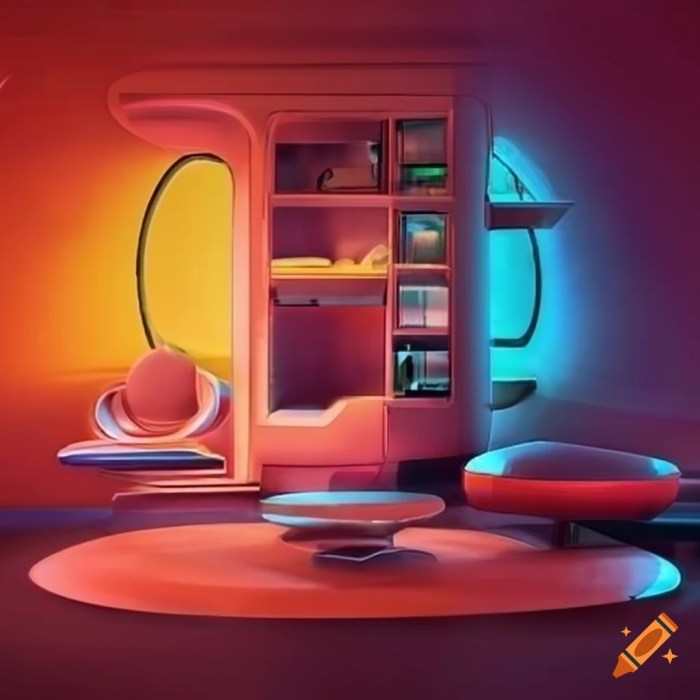
When blending traditional and futuristic interior aesthetics, choosing the right color schemes and textures is crucial to achieving a harmonious design that seamlessly integrates both styles.To create a cohesive look that marries traditional and futuristic elements, consider the following tips:
Exploring Color Palettes
When selecting color palettes for blending aesthetics, opt for a combination of warm and cool tones to strike a balance between the classic and contemporary. Earthy tones such as beige, taupe, and warm grays can provide a grounding effect, while pops of bold colors like teal, mustard, or deep purple can add a futuristic touch.
Metallic accents like gold, silver, or rose gold can further enhance the fusion of styles.
Using Textures to Enhance Fusion
Textures play a significant role in blending traditional and futuristic aesthetics. Incorporate a mix of textures such as velvet, leather, glass, and brushed metal to add depth and visual interest to the space. For a traditional feel, consider incorporating rich fabrics like silk or brocade, while sleek materials such as acrylic or polished chrome can bring a modern edge.
Incorporating Warm and Cool Tones
To ensure a cohesive blend of warm and cool tones, strategically place accents throughout the space. For instance, you can use warm-toned accessories like throw pillows, rugs, or artwork to complement cooler-colored furniture or walls. Additionally, consider incorporating lighting fixtures with adjustable color temperatures to create different moods and ambiances within the space.By carefully selecting color schemes and textures that complement both traditional and futuristic styles, you can create a visually stunning and harmonious interior that seamlessly merges the best of both worlds.
Last Point
As we wrap up our exploration of Blending Traditional and Futuristic Interior Aesthetics, we are reminded of the beauty in harmonizing the old and the new. From classic elegance to modern sophistication, the possibilities are endless when these two worlds collide in perfect harmony.
Expert Answers
How can I successfully blend traditional and futuristic interior aesthetics in my home?
To achieve a successful blend, focus on finding common elements between the two styles and gradually incorporating futuristic touches into a traditional setting for a harmonious fusion.
What are some key differences between traditional and futuristic interior design styles?
Traditional design leans towards ornate details and rich colors, while futuristic design opts for clean lines and a minimalist approach with a focus on technology integration.
Can I mix warm and cool tones when blending traditional and futuristic aesthetics?
Yes, blending warm and cool tones can create a striking contrast in your space. Experiment with different shades and textures to find a balance that suits your style.