Exploring the profound effects of insulated siding on global energy bills, this article delves into the ways in which this innovative technology is reshaping energy efficiency worldwide.
As we uncover the various types of insulated siding materials and their energy-saving capabilities, we also weigh the pros and cons to provide a holistic view of this impactful solution.
Importance of Insulated Siding
Insulated siding is a type of exterior cladding material designed to provide additional insulation to a building. This innovative siding product consists of a layer of insulation attached to the back of traditional siding materials, such as vinyl or fiber cement.
The primary purpose of insulated siding is to enhance the energy efficiency of a structure by reducing heat loss in the winter and heat gain in the summer.
How Insulated Siding Affects Energy Efficiency
Insulated siding acts as a thermal barrier, helping to maintain a consistent indoor temperature by preventing the transfer of heat through the walls. By minimizing heat loss or gain through the building envelope, insulated siding can significantly reduce the workload on heating and cooling systems.
This results in lower energy consumption and reduced utility bills for homeowners and businesses alike.
- Insulated siding improves the overall insulation of a building, reducing the need for constant heating or cooling to maintain a comfortable indoor environment.
- The additional thermal resistance provided by insulated siding helps to regulate indoor temperatures, leading to a more energy-efficient home or commercial space.
- By reducing the demand for heating and cooling, insulated siding contributes to lower energy consumption and decreased carbon emissions, making it an environmentally friendly choice.
Types of Insulated Siding

Insulated siding comes in various materials, each with its own unique energy-saving capabilities. Let's explore the different types of insulated siding options available in the market and their pros and cons.
Vinyl Insulated Siding
Vinyl insulated siding is a popular choice due to its affordability and low maintenance. It provides decent insulation, helping to reduce energy bills. However, it may not be as durable as other types of insulated siding and can crack or fade over time.
Foam Insulated Siding
Foam insulated siding is known for its excellent insulation properties, keeping homes cool in summer and warm in winter. It can significantly reduce energy costs and improve overall energy efficiency. However, foam insulated siding tends to be more expensive upfront compared to other options.
Fiber Cement Insulated Siding
Fiber cement insulated siding offers a good balance between durability and energy efficiency. It is resistant to rot, fire, and pests, making it a long-lasting option. While it provides decent insulation, it may not be as effective as foam insulated siding in extreme weather conditions.
Wood Insulated Siding
Wood insulated siding provides a natural and aesthetically pleasing look to homes. It offers moderate insulation properties but may require more maintenance compared to other types of insulated siding. Additionally, wood siding can be prone to rot and insect damage if not properly maintained.
Engineered Wood Insulated Siding
Engineered wood insulated siding combines the look of natural wood with enhanced durability and insulation properties. It is more resistant to moisture and pests, making it a low-maintenance option. However, it may be more expensive than traditional wood siding.
Global Impact of Insulated Siding on Energy Bills
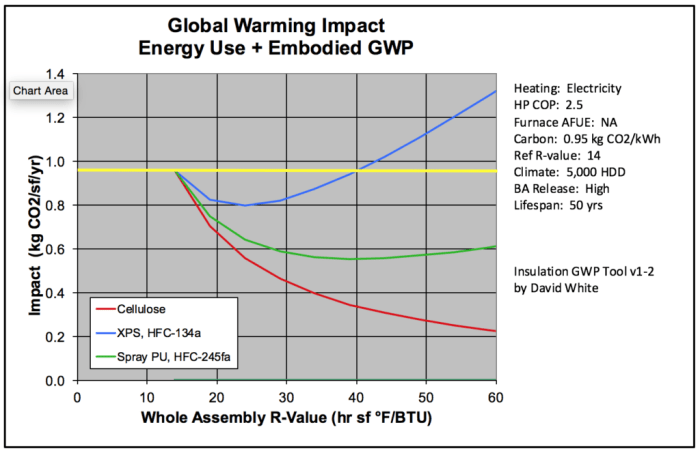
Insulated siding plays a crucial role in reducing global energy bills by improving the thermal efficiency of buildings, thereby reducing the need for excessive heating or cooling. This results in lower energy consumption and, consequently, reduced energy costs for homeowners and businesses worldwide.
Significant Impact in Countries
- In the United States, the widespread adoption of insulated siding has led to substantial energy savings, particularly in regions with extreme weather conditions. Homes with insulated siding have shown significant reductions in heating and cooling costs, making it a popular choice among homeowners.
- In Canada, where cold winters are common, insulated siding has become a preferred option for improving energy efficiency. The insulation properties of the siding help retain heat inside homes, leading to lower energy bills for residents.
- In Germany, known for its energy-efficient building practices, insulated siding has been widely embraced as a way to reduce energy consumption. The country's focus on sustainability has made insulated siding a key component in achieving energy efficiency goals.
Contribution to Global Energy Savings
Insulated siding, if adopted on a global scale, has the potential to significantly reduce energy consumption and lower energy bills worldwide. By improving the insulation of buildings, this technology can help mitigate the demand for heating and cooling, ultimately leading to reduced energy costs for individuals, businesses, and communities.
The widespread adoption of insulated siding can play a vital role in promoting energy efficiency and sustainability initiatives on a global level.
Installation and Maintenance Considerations
When it comes to the installation and maintenance of insulated siding, there are several key factors to consider to ensure optimal energy efficiency and cost-effectiveness.
Installation Process of Insulated Siding
The installation process of insulated siding involves several steps to ensure proper insulation and efficiency. Here are some key points to consider:
- Begin by preparing the existing exterior walls by removing any old siding and repairing any damage.
- Measure and cut the insulated siding panels to fit the dimensions of the walls accurately.
- Install the panels starting from the bottom and working your way up, making sure to leave space for expansion and contraction.
- Properly seal all joints and corners to prevent air leakage and maximize insulation.
Tips for Maintaining Insulated Siding
Maintaining insulated siding is crucial to ensure its long-term energy efficiency. Here are some tips to help you maintain your siding effectively:
- Regularly clean the siding with a mild detergent and water to remove dirt and grime.
- Inspect the siding for any signs of damage, such as cracks or warping, and repair them promptly to prevent energy loss.
- Trim any vegetation near the siding to prevent moisture buildup and potential damage.
- Consider applying a fresh coat of paint or sealant every few years to protect the siding from the elements.
Cost-Effectiveness of Insulated Siding Installation
While the initial cost of installing insulated siding may be higher than traditional siding options, the long-term energy savings can make it a cost-effective choice. By reducing heat loss and improving insulation, insulated siding can help lower energy bills significantly over time, making it a smart investment for homeowners looking to increase energy efficiency.
Closing Summary
In conclusion, the widespread adoption of insulated siding presents a promising path towards reducing energy consumption on a global scale. By understanding the installation process, maintenance considerations, and cost-effectiveness, individuals and nations alike can embrace this sustainable option for a greener future.
Key Questions Answered
What are the key benefits of insulated siding?
Insulated siding enhances energy efficiency, reduces energy consumption, and provides long-term cost savings.
How does insulated siding impact global energy bills?
Insulated siding plays a crucial role in lowering energy costs worldwide by promoting sustainable practices and reducing overall consumption.
Are there specific countries that have seen significant energy savings due to insulated siding?
Countries like Germany, Canada, and Sweden have embraced insulated siding, leading to substantial reductions in energy bills and environmental impact.