Choosing the Right Contractor for Exterior Remodeling sets the stage for this enthralling narrative, offering readers a glimpse into a story that is rich in detail and brimming with originality from the outset. As you embark on your exterior remodeling journey, the decision of selecting the perfect contractor can make all the difference in the success of your project.
Researching contractors, comparing quotes, checking licenses and insurance, reviewing past work, and establishing clear communication are all crucial steps in ensuring a smooth and successful remodeling process. Let's delve deeper into each aspect to equip you with the knowledge needed to make the best choice for your project.
Researching Contractors
When embarking on an exterior remodeling project, it is crucial to thoroughly research contractors to ensure you choose the right one for the job. Here are some key criteria to consider when researching contractors for your project.
Credentials and Reputation Verification
- Check for proper licensing and insurance: Ensure that the contractor holds the necessary licenses and insurance to work in your area. This protects you from liability in case of accidents or damages during the project.
- Verify experience and expertise: Look for contractors with a proven track record in exterior remodeling. Experience and expertise are indicators of quality workmanship.
- Review past work: Ask to see examples of the contractor's previous projects to gauge the quality of their work. This can help you determine if their style aligns with your vision for the project.
Benefits of Reviews and Referrals
- Online reviews: Reading reviews on platforms like Google, Yelp, or Angie's List can provide insights into the contractor's reputation and customer satisfaction. Look for patterns in reviews to get an overall sense of their performance.
- Ask for referrals: Seeking referrals from friends, family, or neighbors who have worked with the contractor can give you firsthand accounts of their experience. This personal recommendation can be invaluable in making your decision.
- Consult with professional associations: Check if the contractor is a member of professional associations related to their field. Membership in these organizations can indicate a commitment to quality and professionalism.
Comparing Contractor Quotes
When evaluating and comparing quotes from different contractors for your exterior remodeling project, it is crucial to consider various factors beyond just the cost. This will help you make an informed decision and ensure that you choose the right contractor for the job.
Evaluating Quotes
- Look for detailed breakdowns: A detailed breakdown of the quote allows you to understand the costs associated with each aspect of the project. This transparency can help you identify any discrepancies or potential hidden costs.
- Compare materials and quality: Make sure to compare the materials and quality of work offered in each quote. Cheaper quotes may use lower-quality materials, which could impact the longevity and durability of your project.
- Check for additional services: Some quotes may include additional services such as cleanup, disposal of materials, or post-installation inspections. Consider these extras when comparing quotes.
Potential Additional Costs
- Ask about unforeseen expenses: Inquire about potential additional costs that may arise during the project, such as structural repairs, permit fees, or unexpected delays. Understanding these possibilities can help you budget accordingly.
- Get clarity on warranties and guarantees: Ensure that the quote includes information on warranties for materials and workmanship. This can protect you from incurring additional costs for repairs or replacements down the line.
- Consider the overall value: While cost is important, it is equally essential to consider the overall value offered by each contractor. This includes factors such as reputation, experience, and customer reviews.
Checking Licenses and Insurance
When hiring a contractor for exterior remodeling projects, it is essential to verify their licenses and insurance to ensure a reputable and reliable service. Here, we will discuss the licenses and certifications a contractor should have, the importance of insurance, and how to verify their status.
Licenses and Certifications
- Contractor's License: A reputable contractor should have a valid license specific to the type of work they are performing, such as general contracting or specialized exterior remodeling.
- Certifications: Look for certifications from industry associations or manufacturers that demonstrate the contractor's expertise and commitment to quality work.
- Business License: Ensure the contractor has a valid business license to operate legally in your area.
Importance of Insurance
Insurance is crucial for a contractor to protect both you as the homeowner and themselves in case of accidents, damages, or injuries during the project.
- General Liability Insurance: This type of insurance covers property damage or injuries that may occur during the project.
- Worker's Compensation Insurance: It is essential for contractors to have worker's compensation insurance to cover any injuries their employees may sustain while working on your property.
Verifying License and Insurance Status
- Contact the Contractor: Ask the contractor for proof of their licenses and insurance coverage, including policy numbers and contact information for their insurance provider.
- Check Online Databases: Many states have online databases where you can verify a contractor's license status. You can also check with local licensing boards or insurance companies to confirm their coverage.
- Ask for References: Request references from past clients and inquire about the contractor's license and insurance status to ensure they are legitimate and up-to-date.
Reviewing Past Work and Portfolio
When choosing a contractor for exterior remodeling, reviewing their past work and portfolio is crucial to ensure they have the experience and skills needed to complete your project successfully. By examining their previous projects, you can get a better sense of the quality of their work and their overall style.
Aspects to Consider
- Pay attention to the variety of projects they have completed, especially those similar to yours in scope and scale.
- Look for consistency in the quality of their work across different projects.
- Check for any specializations or areas of expertise that align with your specific remodeling needs.
- Consider the design aesthetic and attention to detail in their past work.
Requesting Examples
To see examples of similar projects a contractor has completed, you can ask for a portfolio or references from past clients. Many contractors also showcase their work on their website or social media platforms. Don't hesitate to request to see specific examples that match the type of exterior remodeling project you are planning.
This will give you a better idea of what to expect in terms of quality and style.
Communication and Contract Details
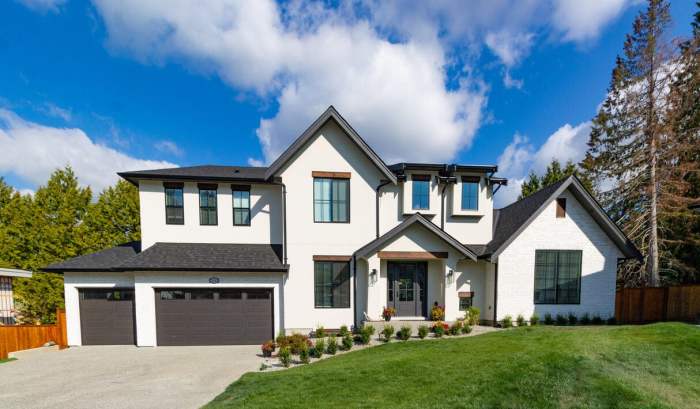
Clear communication with the contractor throughout the project is crucial to ensure that everyone is on the same page and that the exterior remodeling work progresses smoothly. It helps in avoiding misunderstandings, delays, and costly mistakes. When entering into a contract for exterior remodeling work, there are key details that should be included to protect both parties and ensure a successful project.
These details typically include:
Key Details in the Contract
- Scope of work: A detailed description of the work to be done, including materials to be used, specific tasks, and any additional services.
- Timeline: A clear schedule outlining when the project will start and end, including milestones and deadlines for different phases of the work.
- Payment schedule: The total cost of the project broken down into payment installments tied to project milestones. This ensures that payments are made as work progresses.
- Procedures for changes: A process for handling any changes to the project scope, including how additional work will be priced, approved, and scheduled.
- Warranty and guarantees: Information on warranties for workmanship and materials, as well as any guarantees provided by the contractor.
Establishing a timeline, payment schedule, and procedures for potential changes in the project scope is crucial because it helps in setting clear expectations, managing budget and timeline effectively, and resolving any issues that may arise during the remodeling process. By including these details in the contract, both the homeowner and the contractor have a reference point to refer to throughout the project.
Ultimate Conclusion
In conclusion, choosing the right contractor for your exterior remodeling project can be a daunting task, but armed with the information provided, you are now better prepared to navigate this process with confidence. Remember, thorough research, meticulous evaluation, and clear communication are the pillars of success in any remodeling endeavor.
Good luck on your journey to transforming your home's exterior!
Common Queries
What criteria should you consider when researching contractors for your exterior remodeling project?
When researching contractors, consider factors such as experience, reputation, licensing, insurance, and past work quality.
How should you evaluate and compare quotes from different contractors?
When comparing quotes, look beyond the cost to consider factors like materials, timeline, warranties, and potential additional costs.
What licenses and certifications should a reputable contractor have for exterior remodeling projects?
A reputable contractor should have the necessary state licenses, certifications, and permits required for exterior remodeling work.
Why is clear communication important with the contractor throughout the project?
Clear communication ensures that both parties are on the same page, reducing misunderstandings and ensuring the project progresses smoothly.
What key details should be included in the contract before starting the exterior remodeling work?
The contract should include project details, timeline, payment schedule, warranties, and procedures for handling changes in the project scope.