
As Gamifying Your Health: Digital Lifestyle Solutions takes center stage, this opening passage beckons readers into a world crafted with good knowledge, ensuring a reading experience that is both absorbing and distinctly original.
In today's digital age, the intersection of health and gamification offers innovative solutions to enhance well-being and lifestyle choices. From fitness trackers to nutrition apps, the gamification of health has revolutionized how we approach self-care and overall wellness.
Introduction to Gamifying Your Health
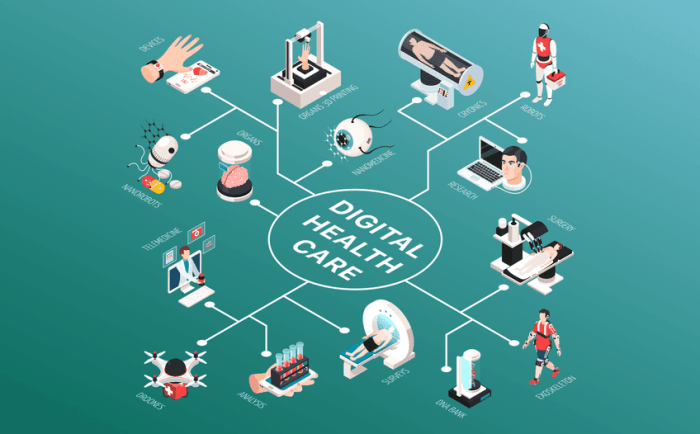
Gamification in the context of health refers to the use of game design elements in non-game settings, such as health and wellness apps, to motivate and engage individuals in adopting healthier behaviors. By incorporating elements like points, rewards, challenges, and competition, gamification makes health-related activities more enjoyable and interactive.
Examples of Popular Health Gamification Apps or Programs
- Fitbit: Fitbit utilizes gamification to encourage users to meet their daily step goals, track their physical activity, and compete with friends.
- Zombies, Run!: This app motivates users to run by immersing them in a zombie apocalypse story where they have to complete missions to survive.
- MyFitnessPal: MyFitnessPal incorporates gamified features like streaks and badges to help users stay consistent with their calorie tracking and exercise routines.
Potential Benefits of Incorporating Gamification into Health and Wellness Routines
- Increased motivation: Gamification can boost motivation by making health goals more engaging and rewarding, leading to better adherence to healthy habits.
- Enhanced engagement: By adding elements of competition, collaboration, and achievement, gamification keeps users invested in their health journey.
- Behavioral changes: Gamification can facilitate behavior change by providing immediate feedback, setting clear goals, and creating a sense of accomplishment.
- Long-term sustainability: The fun and interactive nature of gamified health apps can help individuals sustain their healthy habits over time, promoting overall well-being.
Digital Tools for Health Gamification
Gamifying health activities can be made more engaging and effective with the help of various digital tools. These tools not only track your progress but also provide motivation and rewards to keep you on track.
Wearable Devices like Fitness Trackers
Fitness trackers are wearable devices that monitor your physical activity, heart rate, sleep patterns, and more. By syncing these devices with health apps, you can set goals, earn achievements, and compete with friends or online communities. The real-time data and feedback provided by fitness trackers make it easier to visualize your progress and stay motivated to reach your health goals.
Mobile Apps for Tracking Health Metrics
Mobile apps play a crucial role in gamifying your health by tracking various health metrics such as steps taken, calories burned, water intake, and even mental well-being. These apps often come with features like goal setting, reminders, challenges, and progress tracking tools.
By inputting your data regularly and receiving feedback and rewards through the app, you can turn mundane health activities into fun and rewarding experiences.
Gamification Strategies for Fitness
When it comes to fitness, gamification can be a powerful tool to make exercise routines more engaging and enjoyable. By incorporating game elements into workouts, individuals are more likely to stay motivated and committed to their fitness goals.
Ways to Gamify Exercise Routines
- Introduce challenges: Setting specific fitness challenges, such as running a certain distance in a week or doing a set number of push-ups, can add a competitive element to workouts.
- Utilize rewards: Offering rewards for achieving fitness milestones, whether it's virtual badges, points, or tangible prizes, can boost motivation and incentivize progress.
- Encourage social interactions: Creating a supportive community where individuals can connect, compete, and share their progress can foster accountability and camaraderie.
Examples of Fitness Gamification Success Stories
- A fitness app that allows users to compete in virtual challenges with friends and earn rewards for completing workouts has seen a significant increase in user engagement and retention.
- A gym that implemented a point system for attending classes and achieving personal bests resulted in a higher attendance rate and improved member satisfaction.
- An online platform that incorporates gamified elements like leaderboards and achievements has helped individuals stay consistent with their workouts and reach their fitness goals.
Gamification for Nutrition and Diet
Gamification can be a powerful tool to improve dietary habits by making the process of tracking food intake and making healthier choices more engaging and fun. By incorporating game elements such as challenges, rewards, and progress tracking, individuals are more motivated to stick to their nutritional goals.
Using Apps or Programs to Track Food Intake
- Utilize apps like MyFitnessPal or Lose It! to easily track your daily food intake and monitor your nutritional balance.
- Set personalized goals within these apps to ensure you are meeting your recommended calorie intake and consuming a balanced diet.
- Take advantage of features like barcode scanning and meal planning to streamline the process of logging your meals and snacks.
Making Healthier Choices
- Engage in virtual challenges with friends or online communities to encourage healthier food choices and share recipe ideas.
- Use interactive tools within apps to learn more about the nutritional content of different foods and make informed decisions when grocery shopping or dining out.
- Earn rewards or points for choosing healthier options and staying within your recommended daily nutrient goals.
Impact of Gamification on Long-Term Dietary Changes
- Studies have shown that individuals who use gamified apps or programs to track their diet are more likely to sustain healthy eating habits over time.
- By creating a sense of achievement and progress through gamification, users are motivated to continue making positive choices and maintain a balanced diet.
- Long-term benefits of gamifying nutrition include weight management, improved energy levels, and decreased risk of chronic diseases related to poor dietary habits.
Mental Health and Well-being Gamification
Gamification can play a crucial role in promoting mental wellness and reducing stress by making activities more engaging and rewarding. By incorporating game elements such as challenges, rewards, and progress tracking, individuals can feel motivated to engage in activities that benefit their mental health.
Mindfulness and Meditation Apps with Gamification Techniques
Many mindfulness and meditation apps have integrated gamification techniques to make the practice more interactive and enjoyable. These apps often include features like progress bars, achievement badges, and goal-setting mechanisms to encourage users to stay consistent with their practice. For example, apps like Headspace and Calm offer guided meditation sessions with progress tracking and rewards for completing daily challenges.
Effectiveness of Mental Health Gamification Strategies
Research has shown that gamification can be effective in improving mental health outcomes. By making activities more enjoyable and providing instant feedback, gamified interventions can increase engagement and motivation for individuals to maintain healthy habits. Studies have also indicated that gamification can reduce symptoms of anxiety and depression by creating a sense of accomplishment and boosting self-esteem.
Personalized Health Gamification
Gamifying health goals can be even more effective when personalized to individual preferences and needs. Tailoring gamification strategies to suit each person's unique characteristics can lead to better outcomes and increased motivation to achieve their health objectives.
Benefits of Personalized Health Gamification
- Customized Challenges: By personalizing gamification, individuals can set challenges that are specific to their fitness level, interests, and health goals. This ensures that the goals are achievable and engaging.
- Reward Systems: Personalized gamification allows for tailored reward systems based on what motivates each individual. Whether it's earning points, unlocking levels, or receiving virtual rewards, the incentives are customized to drive sustained engagement.
- Adaptability: Personalized health gamification can adapt to changes in an individual's lifestyle, preferences, or health status. This flexibility ensures that the gamified experience remains relevant and effective over time.
- Community Support: Personalized gamification can also facilitate connections with like-minded individuals or support networks, creating a sense of community and accountability that can further motivate users to stay committed to their health goals.
Closure
In conclusion, Gamifying Your Health: Digital Lifestyle Solutions presents a compelling case for utilizing gamification to improve health outcomes and foster positive lifestyle changes. By seamlessly integrating technology and wellness, individuals can embark on a journey towards better health with motivation and enjoyment.
Essential FAQs
How can gamification improve health routines?
Gamification adds an element of fun and motivation to health activities, making them more engaging and sustainable in the long run.
Are there any risks associated with using gamification for health?
While gamification can be beneficial, it's important to ensure that it doesn't promote unhealthy behaviors or dependencies on technology.
Can gamification be personalized for individual health goals?
Yes, personalized gamification allows individuals to tailor their health goals and strategies to fit their unique preferences and needs.
How can gamification impact mental health and well-being?
Gamification can promote mental wellness by providing tools for stress reduction, mindfulness, and enhancing overall emotional well-being.